Health? or Hype?
Make the right choice with recommendations you can trust, backed by expert testing.
Explore health recommendations
Having worked at the BBC and in commercial radio before joining Which?, James produces our always-on podcasts, and oversaw the launch of our member-exclusive podcasts in 2025.

Whether it’s supplements or skincare, sunscreen or sleep aids, our research has found that you don’t need to spend a fortune to be healthy.
In this special live podcast, we assembled a panel of expert guests to take your questions on everything from how to fix your sleep routine, which moisturisers and creams actually work, and the supplements that will help you stay healthy as you age.
We also lift the lid on our testing here at Which? as we reveal the health products we’ve been putting under the microscope and why you can trust our rigorous testing and review results.
We’re joined by Which? public health nutritionist Shefalee Loth, Harley Street-based consultant dermatologist Dr Emma Wedgeworth, and Kathryn Pinkham, founder of the Insomnia Clinic.
Erica McKoy: Hello and welcome to the live podcast. This is the last episode of our current series of the Healthy Living Podcast. I’m Erica from Which? and today is all about helping you to spend smarter so you can live better. We often talk about these core pillars of health here at Which? – nutrition, sleep, and exercise – so before you start spending the money and buying the most hyped products, it’s really important that we get those in order first. And we’ve got the experts here today to talk about it.
Today is hot. It’s really hot. The studio is nice and cool, but I do want to chat to you about skin at some point because it is the largest organ that we’ve got that’s exposed to the sun. But first, I do want to direct the conversation to Shefalee, because we’ve got these pillars of health I mentioned. Why are we talking about it at Which?
Shefalee Loth: In the last year and a half, we’ve really ramped up our health and well-being content at Which? and the research that we’re doing. One of the main reasons for that is there is so much misinformation out there. Our members and consumers were telling us they really want us to help them cut through the noise. Actually, the areas that you’ve talked about – nutrition, sleep, and skin care – are three of those areas where there is an abundance of information and it can get really overwhelming for consumers to know what they need to do. Do they need to buy all the latest skin care apps or gadgets for sleep or supplements? Or actually, we want to help consumers make more informed choices.
Erica McKoy: Strip it back and you don’t need to spend all your money.
Shefalee Loth: Absolutely not. You don’t. Lots of things you can actually do without spending any money.
Erica McKoy: It's about getting the baseline down. Okay, so Emma, we’re going to talk about skin. I know this is your favourite topic and I love talking to you about skin as well. Your approach to skin isn’t just about looking good for Instagram – it’s about getting the skin to a healthy place, right?
Emma Wedgeworth: And that’s an easy one because actually healthy skin looks great as well. If you’ve got that glow – there’s actually a science to the glow – it’s about the tone being more even, lines and wrinkles, and as we start to change and our skin becomes unhealthy, that’s when we lose that glow. So the two things go hand in hand.
Erica McKoy: We spoke about sun cream a little bit last week – we touched on it on the podcast – but can you tell us what is the healthiest or the quickest way or most budget-friendly way to get healthy skin?
Emma Wedgeworth: If we’re thinking about external factors, things that we can control that actually damage our skin, UV exposure is one of the single most damaging factors to our skin long-term. Now, that doesn’t mean we want everyone to stay inside the whole time. I think sometimes those messages get warped because people think they can’t go out in the sun. We want people to enjoy themselves; there are some positive benefits to the sun. But if you are exposing your skin excessively, you are going to have damage.
Actually just being sensible in the sun, not burning – I think if you look at the amount of people in the UK that regularly burn, it’s astonishing. Sunburn should not be happening regularly because that’s when we do start to see premature ageing and increased risk of skin cancers. Listening to your own skin, because everyone’s skin has a slightly different relationship to the sun. Some people can stay in only a few minutes without burning; some people can stay out a little bit longer. No one, regardless of their skin tone, can stay out indefinitely. Everyone has to be careful and sun protection is three things: it’s making sure that your behaviour is appropriate, not lying out there in the hot midday sun; covering up when you need to – hats, long sleeves; and then SPF, which is the last protector for your skin.
Erica McKoy: There’s so many conversations online where people are like "avoid sun cream, it’s cancerous, it’s dangerous" and people have put out natural alternatives to sunscreen. Is there genuinely a natural alternative to sunscreen or is this all a bit of a myth and a quick fix that the internet likes to put out?
Emma Wedgeworth: Staying inside and covering up, that is your natural alternative to sunscreen. So if you do that, that’s okay. There isn’t one thing that is a natural alternative to sunscreen. I would say there is no good evidence that sunscreen used in the way that we do causes cancer or any other changes. There’s plenty of evidence that actually excessive sun exposure does cause cancer and all of those other sorts of things. Nothing is 100% but from what I know, which is a lot, I would take my chances with sunscreen any day compared to excessive UV exposure.
Erica McKoy: For those of us who are a little bit sensitive to SPF – I’ve found that I’ll put it on for a few days and then all of a sudden my skin is like "I don’t like this" – what do you suggest to those people? Should we be applying it, doing a little tester, or do we just push through it and let the skin get aggravated because maybe there’ll be some sort of way out?
Emma Wedgeworth: No, definitely don’t want to use things that aggravate our skin. Often it’s not the actual UV filters that irritate; it’s either the perfume that’s in some of the products or it could be the alcohol which is sometimes used to solubilise some of the UV filters. Broadly speaking, there are two main types of sunscreen: there’s mineral sunscreen, which is zinc oxide and titanium dioxide, and then there’s chemical sunscreen, which are big organic molecules which are often much thinner than the mineral sunscreens. That’s where you often use a lot of denatured alcohol to solubilise those. So if you are really sensitive, you might want to go for a mineral sunscreen. There are pros and cons to both of these things, but actually zinc oxide and titanium dioxide can often be quite easy to tolerate.
Erica McKoy: And immediately when you said that, I was like, I’ve got a darker skin tone and I know for a fact that’s going to come up grey on my skin.
Emma Wedgeworth: 100%. I mean, there are some ones which are tinted, but I completely agree, they are not brilliant for darker skins and that’s one of the downsides of the mineral sunscreens. But I think increasingly we do have more and more options. Every year we get better options in terms of our SPF. That’s one of the brilliant things: the beauty industry adopting SPF and suddenly being huge about the messaging about SPF has meant that we’ve got a lot more cosmetically elegant sunscreen options now and hopefully things that are much more relevant for all skin tones and all skin types.
Erica McKoy: That’s what we need. Premature ageing happens because – correct me if I’m wrong – premature ageing happens because the collagen breaks down and we spoke about it last week on the podcast. There’s that scaffolding that your skin has and it breaks down if you don’t look after it. Can you remind us – because we did touch on it last week and again, I keep saying last week because I’m hoping that our listeners today will tune in and check out last week’s episode because it was great – but last week we spoke about collagen banking. Can you tell us a bit about that and remind us what that is?
Emma Wedgeworth: Underneath the outer layer of our skin, we’ve got our dermis. That’s like the scaffolding of our skin which gives that lovely plumpness and when we’re very young, we don’t have any lines and wrinkles because we’ve got that really rigid scaffolding. Collagen is one of the key proteins within that. Collagen banking is the concept that if, when we’re young and we’ve got plenty of collagen, we try and preserve our collagen so that we lose less over time. Evidence suggests that even past our mid-20s, we just every year, year-on-year, we just start losing more and more collagen. So collagen banking is the concept that if we really look after our collagen and try and bump it up in those years, that actually what we’ll see eventually is less loss, less lines, less wrinkles, more glow, more plumpness. That’s the theory behind it.
Erica McKoy: Is there any evidence to suggest that you can bank some of that collagen?
Emma Wedgeworth: Of course. I mean, you’re careful in the sun, so we know that sun over time can break down a lot of your collagen. Not just collagen, but also a lot of the other molecules that act within the scaffolding. People love collagen, but there are a lot of other molecules like elastin, fibrillin, other things which actually are really sensitive to UV breakdown. So one of the easiest ways to collagen bank is to protect your facial skin against the sun. And then there are all sorts of other lifestyle factors that you can do before you even touch a super-expensive cream.
Erica McKoy: Because there are so many out there. I want to talk about the gut and the skin, because again, last week it was something we were about to get onto and it was really exciting and then it was like we just don’t have enough time. What is the link between the gut and the skin?
Emma Wedgeworth: The gut-skin axis is a fascinating area of research. Essentially, it suggests that the gut layer and the immune system within the gut has a direct effect on the way that our skin functions. We know this as dermatologists because we know that, for example, some people will have food allergies which then come out in their skin. We know that some people, for example, who have celiac disease, it comes out in their skin. If anyone who’s eaten the wrong things for a bit knows that actually sometimes it can cause breakouts. So we’ve known for a long time that the gut and the skin are linked, but we haven’t really understood quite why. Now we understand a bit more about how the gut microbiome and the gut’s immune system can actually impact on the skin and how eating a really wide, healthy diet – plenty of the right things, fibres, vegetables, fruits, all of those things – can have a really positive impact on our skin.
Erica McKoy: And Shefalee, Emma just mentioned fibre. We’ve been – there’s loads of articles that we’ve done about this connection and the fibre. Can you tell us a bit about fibre?
Shefalee Loth: Yes, so we know fibre is really important. We know our gut microbiome is linked to our brain health, our immunity, and now, as Emma says, increasingly so there’s evidence that it’s linked to our skin. Basically, what happens is we eat fibre, the good bacteria in our gut ferment into short-chain fatty acids, and these are absorbed into our bloodstream and essentially reduce inflammation and so they boost the skin barrier; they can make your skin feel plumper and so fewer wrinkles essentially.
Erica McKoy: Love it. This feels like a really affordable – we’re talking about eating, trying to get more fibre in the diet, so eating more fruit and veg. That seems relatively affordable for most people.
Shefalee Loth: And beans and legumes, which are really, really cheap; they’re like 50p a tin.
Erica McKoy: And then applying some sunscreen to keep the skin healthy. I think the thing that freaks a lot of people out is that skin care can be so pricey and you’ve got different types – you’ve got cleansers and toners and serums and acids and retinol – and the list really goes on. Can you get skin that’s glowing and healthy without breaking the bank?
Emma Wedgeworth: Absolutely. I’m constantly talking to people about different budget options. There are really good products in all budget ranges. There are some great really expensive products; there are some great budget products. Essentially, a skin care routine does not have to be extensive and it doesn’t have to be complicated. Pretty much every dermatologist I know uses a really stripped-back routine. I don’t think I know any of my colleagues that use 20 steps. So you want a great cleanser, a good moisturiser, environmental protection – so we talked a bit about SPF, but also potentially an antioxidant which helps block some of the free radicals – and then potentially, depending on your skin type, something like a retinol or even it might be something like azelaic acid. So maybe even one carefully chosen active. Like I said, that is by far and away the most common routine for a dermatologist.
Erica McKoy: Nice. I like the idea of just keeping it simple. You don’t have to do this crazy 20-step thing. Okay, so we’ve got a question in from Dawn. She’s asked about day creams and night creams. She said, is there a massive difference between them or is it just another way to get us to buy two different creams?
Emma Wedgeworth: Depends. Pretty much the answer to everything I say is always "it depends". There’s a nuance to it. So, Dawn, it’s a really good question. What I would say is that sometimes the day cream contains SPF and sometimes the night cream might contain repair molecules, for example like retinoids. Personally, I actually don’t love the concept of day and night creams because with SPF, you really want it dosed almost like a medicine, because there’s a very specific dose that you need that gives you the protection on the bottle. Whereas with moisturiser, on a day like today which is really hot, you don’t need too much moisturiser, whereas on a cold January day in the UK, you need lots of moisturiser because your skin is drier. So I actually am a splitter; I prefer having a moisturiser and a sunscreen separate because then you can actually adjust the amount you need.
Erica McKoy: Yes. We’ve also got a question from Harminder, who has asked: does darker skin tones need less sun cream?
Emma Wedgeworth: It’s a very, very good point. Now, the first thing to say is that all skin tones need some protection. However, if you look, people who’ve got more melanin have more natural protection because melanin is very efficient at absorbing UV. So somebody who’s got super-fair skin like myself can’t go out in the sun for more than about 10 minutes without burning because I don’t have much melanin. So there is definitely the fact that actually if you have got darker skin, you have got more natural protection. But it doesn’t mean that you are not prone to pigmentation, changes in your skin over time, wrinkling, and we do see skin cancers in darker skin as well. Also, darker skin is a massively heterogeneous population. You’ve got some people that have got a significant amount of melanin; you’ve got some people that have a bit less melanin. So it’s really hard to say. The bottom line is everyone needs to be careful in the sun, everybody in the hot, really hot sunny weather probably does need sunscreen, and then there are indications like pigmentation which affect darker skins more than others.
Erica McKoy: Love that. Okay, we’re going to move on to supplements, which is really your bag, Shefalee. I feel like Vitamin D could be a good way to transition – we’ve spoken about the sun – but what are the main nutrients that we see time and time again that people really struggle to get in? I think Vitamin D is probably one of them, but are there any other nutrients that people really struggle to get in their diet?
Shefalee Loth: Yes, so one of the most common vitamin deficiencies in the UK is Vitamin D deficiency. That’s because we make Vitamin D from the sun and between October and April, we don’t have enough UV light to synthesise that in our bodies. So on a day like today, for example, it’s really easy to make enough Vitamin D. Now, the government recommends that actually everybody take a Vitamin D supplement between October and April, and then certain groups should take a Vitamin D supplement that contains 10 micrograms of Vitamin D all year round. Those groups might be people with darker skin, such as ourselves, because our bodies aren’t as efficient at creating Vitamin D. Also, people who don’t go out very much – so if you’re quite elderly and stuck inside – or if when you go out you’re quite covered, you might not be getting enough exposure to the sun to synthesise that Vitamin D. So actually, there are some groups that really are recommended to take a Vitamin D supplement all year round because it’s really hard to get enough from diet alone.
Erica McKoy: And what does Vitamin D do for us?
Shefalee Loth: So Vitamin D is really important for our bone health; it helps us absorb calcium and it’s also really linked to our immune system.
Erica McKoy: And are there any other nutrients that we know time and time again people just aren’t getting enough of?
Shefalee Loth: Every other nutrient essentially you should be able to get enough from your diet, but obviously that relies on people having a varied, balanced diet. So if your diet is restricted in any way – such as if you’re vegan, for example – you might really struggle to get enough Vitamin B12. That’s because it’s found mostly in animal products. It is also in fortified plant foods such as Marmite – I’m a big fan – but also breakfast cereals will have it added to it. But essentially, if you’re a vegan, you probably do need to think about taking a Vitamin B12 supplement. As we age, it also gets harder to absorb Vitamin B12, so actually older people might want to think about supplementing. If you’ve got a digestive issue such as celiac disease or Crohn’s disease, which I have, then the part of your bowel that actually absorbs Vitamin D doesn’t function.
Erica McKoy: Well, I was about to say, because that’s at the bottom of your intestine.
Shefalee Loth: That’s right. So I actually have Vitamin B12 injections every three months because my body won’t absorb it. And iron is also another one. Iron is another one, exactly. And that’s because again the main source of iron in our diets is red meat, but actually lots of people choose not to eat red meat either for religious reasons or health – they think health benefits – so at times when your body’s growing, such as adolescence, or as a woman if you’re menstruating, then your body needs more iron. We see that a lot of teenage girls and young women are deficient in iron because they’re not eating enough red meat. So actually, in those situations it can be worth supplementing. There are plant foods that contain iron as well, such as legumes, beans, green leafy veg, but it’s not as easy to absorb as the iron that you find in animal products.
Erica McKoy: You’ve perfectly brought me to bioavailability. This phrase that we hear so much in the podcast. Can you remind us what bioavailability is?
Shefalee Loth: Often when we’re rating supplements, we always talk about the bioavailability. Basically, that’s essentially how easily your body absorbs that form of that vitamin. Some forms of magnesium are better absorbed than other forms.
Erica McKoy: And something that we’ve spoken about on the podcast – again, listen to previous episodes – was when we had Sophie in, we were talking about "is it okay to just – sometimes it feels like maybe I should just have more supplements to add a little extra in the diet?" But that’s not always the right thing to do.
Shefalee Loth: Absolutely not. In the case of supplements, more is definitely not better. If you think about things like fat-soluble vitamins such as Vitamin A and Vitamin D, if you have too much, there can be side effects to that because your body holds onto them. Conversely, if you think about water-soluble vitamins – so your B vitamins and your C – actually your body can’t hold onto it, so anything that you absorb or you take in that’s excess, you essentially pee out.
Erica McKoy: Expensive wee.
Shefalee Loth: Expensive wee, that’s right.
Erica McKoy: Fillers, bulking agents, additives – they come up in a lot of the research that you do. Should people be trying to avoid supplements that have too much of that, or what’s the feeling?
Shefalee Loth: No, not necessarily. When we review supplements, we look at three main things: we look at the bioavailability, so what form is that micronutrient in and is it easy for your body to absorb; we look at the dose, so actually is it too high, is it too low; and then the third thing we look at is what are the non-actives in that supplement and you mentioned there the fillers and the additives. All supplements are going to have to have some fillers, because if you think about a Vitamin D supplement, the dose is 10 micrograms a day. That’s minuscule, so you can’t have that in a supplement without a filler. But some fillers are better than others and so we have a rating system where we rank them and it’s a preference thing. Fillers aren’t necessarily bad, but there are some better than others.
Erica McKoy: Can we talk about pairing of supplements? Certain things should definitely not be paired because it just doesn’t help.
Shefalee Loth: Yes, and it’s not just supplements; it’s about what you’re eating as well. For example, if you think about taking an iron supplement, lots of people will take it in the morning with their breakfast, wash it down with a cup of tea or coffee, and actually that’s going to inhibit the iron absorption. In tea, there’s tannins, and if you think about a high-fibre breakfast cereal, that fibre’s going to bind to the iron, which makes it harder for your body to absorb. Actually, if you’re eating anything iron-rich or having an iron supplement, the best thing you can do is take it at the same time as a Vitamin C source because that will enhance the absorption. Either a glass of orange juice or take it – if you’re thinking about food on your plate – potatoes or peppers; those will contain Vitamin C that will enhance the absorption of the iron.
Erica McKoy: Very nice. We’ve got a couple of questions in. Catherine has asked: when should we get medical advice on supplements versus when is it safe to make a decision for yourself?
Shefalee Loth: We caveat a lot of our reviews saying: if you have any kind of existing health condition or you’re taking any regular medication, then really don’t add a supplement into the mix without first checking with your GP or your pharmacist. That’s because lots of supplements – whether they be vitamins and minerals or herbal or botanical – they can interact with medication. Blood thinners, for example, such as warfarin – you shouldn’t take with a Vitamin K supplement; you shouldn’t take it with St John's Wort or turmeric because they can either stop the medication working or actually make it more potent, which is risky as well. So, yes, if you’ve got any kind of new symptoms as well, do check with your GP first. If you’re healthy and you’re taking a multivitamin as a bit of an insurance policy, then it’s probably low-risk.
Erica McKoy: I think often people think, “Oh, it’s fine, it’s a vitamin, what could it do?” But there are lots of interactions. Even grapefruit and how you can’t take it if you’re on certain blood pressure medications. A supplement we’ve focused on is magnesium. Where can we get magnesium in our diets?
Shefalee Loth: Magnesium is really important in our bodies and it does lots and lots of things – from helping us make energy from the food, helping our muscles function properly, to helping with reduced tiredness and fatigue. It’s quite easy to get magnesium in your diet; it’s in a lot of foods. It’s in green leafy veg – so your spinach and your kale; it’s in nuts and seeds; it’s in legumes – so chickpeas, beans, lentils; also in whole grains. It’s widely available.
Erica McKoy: This feels like a really good segue into sleep. Magnesium is something that I think lots of people hear about taking. Unlike a nutritional deficiency, it’s pretty obvious when you’re not getting enough sleep – you just feel really tired. Are there any other symptoms or signs that people should be aware of?
Kathryn Pinkham: I guess if we’re talking about classic poor sleep and insomnia, then you’re right, people know because they’re awake in the middle of the night, they’re awake for large periods of time, or they can’t get to sleep when they get into bed, or maybe they’re waking up too early before their alarm. They’re generally the things that we would be looking at when someone was describing their sleep patterns. If we were talking to somebody who feels like they’re asleep all night but they’re very tired, that probably isn’t insomnia – that’s more about sleep quality, possibly sleep apnoea or maybe deficiency in something. The people that I’m working with are that more classic “can’t get to sleep” or “wake at 3:00 in the morning, mind racing.”
Erica McKoy: And that’s another part of insomnia – the anxiety around it.
Kathryn Pinkham: It’s such a huge part of it because whether the initial trigger is stress and anxiety or not – it could be anything, let’s say a bereavement – what happens is that once we’re stuck in the cycle of poor sleep, we become anxious about it. Most of us don’t tolerate poor sleep very well; we want to fix it pretty quickly. But the problem is if we make sleep into a performance task and something that we’re focusing on, your brain will interpret that as some sort of threat. My survival instinct is to stay awake, not go to sleep, if I’m worried. Stress and anxiety are a huge part of insomnia, whether it’s there at the beginning or whether it becomes part of the problem.
Erica McKoy: “Sleep-maxing” is a phrase I’ve seen online. I’ve also seen kiwis, magnesium, and mouth-taping as big hitters in the sleep-maxing world. Can you tell us about those trends and what you’re seeing in 2026?
Kathryn Pinkham: When it comes to sleep, people want a quick fix, so there is no shortage of quick-fix products people can spend money on. They may even help in the short term because the placebo effect is huge. Ultimately, when we have a sleep problem, our pattern is broken; our body clock has learned a new pattern that we don't want. Things like eating kiwis will be because there’s something in them loosely related to getting good sleep. But the reality is eating kiwis or mouth-taping can’t fix an underlying problem whereby you’ve associated 3:00 in the morning with a massive amount of anxiety. When it comes to insomnia, we really need to look at the correct treatment for the condition, not these quick fixes.
Erica McKoy: How much sleep should we be getting? I feel comfortable when I get eight hours.
Kathryn Pinkham: It really depends. Generally, the younger we are, the easier it is to get into deep sleep and to stay in it. My advice is: don’t worry about the quantity; worry about the quality. The quality we’re looking for is: do you fall asleep pretty quickly (under 20 minutes to half an hour); if you wake up to go to the toilet, can you get back to sleep; and during the day, can you stay awake? If the answer to those is yes, then the quality of the sleep that you’re getting is probably good enough. Eight hours of broken sleep is going to leave you feeling much less refreshed than six hours of solid sleep.
Erica McKoy: Does bedding play a role in how we sleep?
Kathryn Pinkham: If you are a good sleeper and you love your bed, then you’re going to sleep well because you believe you will. A poor sleeper tends to do a lot – they change their bedding, buy a new mattress, take all the supplements, and avoid caffeine for hours before bed. That strictness is the problem. If you have a consistent sleep issue, new bedding is not going to fix it.
Erica McKoy: Why can Carol not stay asleep?
Kathryn Pinkham: That’s called “sleep maintenance insomnia.” You may have run out of your appetite for sleep. If we have a weaker appetite for sleep, we will wake up through the night. But more important is how we respond to it. If I’m counting down the hours and worrying about how I’m going to cope, I’m triggering that fight-or-flight response. There’s a couple of really easy things she could do. The first thing would be – and this sounds counterintuitive – go to bed later and wake up earlier. By spending less time in bed, you increase the drive for sleep. The second thing is: manage your stress levels during the daytime; whatever it is that’s on your mind, do with it during the day, get it out of your head. Finally, if you really can't sleep, never stay in bed fighting to sleep. Go downstairs, read a book, or do something you enjoy until you feel sleepy again. Getting sunlight in your eyes in the morning also really helps to regulate that circadian rhythm.
Erica McKoy: Is it okay to use an out-of-date sun cream?
Emma Wedgeworth: I would say no, it’s not ideal. Often on your bottle, there’ll be a little lid sign which will say “6M” (six months) or “12M”. Sunscreens, particularly organic filters, sometimes are not that stable. Also, if you’ve got loads of old bottles hanging around, you may want to think, “Am I using enough?” because you should be using enough that you don’t have bottles lasting for years.
Erica McKoy: How much of your skin should you cover with sunscreen?
Emma Wedgeworth: Whatever’s exposed. From April to October in this country, the UVB index is high enough to cause skin damage. On a day when the UV index is high, like seven or eight, you should be wearing sunscreen on anything that is exposed. If you’re sitting in the park, you definitely need it – on the ears, the cheekbones, the nose. Dermatologists will always say reapply every two to three hours because bits rub off or you’re sweating.
Erica McKoy: Robert is B12 and Vitamin D deficient. He takes injections and supplements. Is there anything else he can do?
Shefalee Loth: For those two specific nutrients, no; he’s probably doing what he needs to. Keep the Vitamin D going all year – you need 10 micrograms a day.
Emma Wedgeworth: I would say a little bit of sun exposure. To create as much Vitamin D as your skin can produce, a person with fair skin only needs about 10 minutes of midday sun on their arms and legs. If you’ve got darker skin, you’re looking at 30 to 45 minutes. Too much of something is bad, too little is bad; it’s that sweet spot. I always advise SPF 50 because in real-world conditions, we often apply so little compared to how it’s calculated in the lab. If you’ve got darker skin, SPF 30 may be okay, but I generally use SPF 50.
Erica McKoy: Leslie asked if you should take Vitamin K2 if you already take Vitamin D?
Shefalee Loth: There is emerging research that if you take a Vitamin D supplement and a calcium supplement, you really should be taking Vitamin K as well to help the calcium get to your bones where it needs to be.
Erica McKoy: Is it too late to take a collagen supplement at 68?
Emma Wedgeworth: It is never too late to look after your skin. Do I think oral collagen is the answer? Probably not.
Shefalee Loth: Watch this space, because we’re about to embark on a comparative test of collagen supplements with 100 volunteers over three months to see if they make any difference.
Kathryn Pinkham: And I would agree with that really. It’s not that I’m going to take a magnesium supplement and it’s going to revolutionise my sleep. Online, a lot of people will say: what’s the best type of magnesium for sleep and what’s the best type of magnesium for muscle tiredness? And actually, there’s no evidence to say that one type is better than another for these different reasons; it’s essentially magnesium.
With magnesium glycinate, people often say it’s the best one for sleep and that’s because of the glycinate part of it, which is a calming neurotransmitter basically. So we would say if you’re taking it for sleep, take it in the evening obviously. In the same way that if you’re taking B vitamins for energy, don’t take them at night; take them in the morning. But actually, it doesn’t really matter when you take it.
Erica McKoy: We’ve got another question about deep sleep. How essential is it to get deep sleep? I sleep between seven and eight hours a night but rarely get more than 20 minutes of deep sleep – and often they get none at all. They’re 78 and healthy.
Kathryn Pinkham: That to me sounds like somebody with a good sleep pattern. They’re obviously tracking it in some way and I guess my first point there would be to beware of trackers in that they’re not all the same; they vary hugely in terms of how accurate they are. People are relying on them very much to micro-manage sleep stages and we can’t do that.
As we get older, it is harder to get into deeper levels of sleep and it is harder to stay in them, but I would say if he’s sort of seven or eight hours a night and feeling okay, that to me would be the only thing that really matters. The danger here is that if we start to look at the 20 minutes and think how can I fix that, we ruin the sleep because we’re focusing too hard. We can’t micro-manage it like that; we don’t know how to do that.
So there are things that we can do overall to improve the quality – like increasing the sleep drive, reducing that vigilance, making sure that we’re taking time to reduce the pressure around sleep and calm our nervous system, those kind of things. But in terms of trying to look to extend specific chunks of sleep, it’s not in my opinion, it’s not possible and it’s just creating too much focus and I would always avoid that. So sounds like they’re tracking it – I don’t think they would need to track their sleep anymore. I would say you can probably tick that box and say that your sleep’s pretty good.
Erica McKoy: Do you know how much deep sleep you get?
Kathryn Pinkham: No, I don’t have a tracker. No.
Erica McKoy: I was thinking, I don’t know how much deep sleep I get.
Kathryn Pinkham: And we’ve all had those nights where you get what felt like a great night’s sleep but you feel terrible all day; equally, you’ve had the night where you didn’t sleep very well and you feel absolutely fine. So many things are going on that impact our sleep and I always urge people just don’t spend too much time trying to work out why. It doesn’t really matter because it’s not going to be perfect every night, even if you do everything perfectly. You won’t sleep perfectly every night because that’s not how we’re designed. If we were, then those babies wouldn’t be born sleeping through – if we couldn’t cope with it, they would have to. The reality is we can cope with bad nights here and there. So overall, of course, we should be prioritising it, but I think it’s this idea that we can prioritise it to the point where we can dissect it in that way is part of the reason why so many people are sleeping badly. It's too much focus.
Erica McKoy: Too much pressure. Emma, I’ve got a question for you. Bridget says: some skin problems are difficult to avoid, for example the eye drops that they take to control glaucoma causes dark circles around their eyes. Do you have any suggestions or anything for that?
Emma Wedgeworth: So I think this is a lot about focus as well. Dark circles are really difficult to treat. I’m going to be really honest and I think often I’ll say to patients in my clinic: a really great concealer is your best friend. Because actually, if I’ve got a problem that I can fix easily, no worries we can do it, but dark circles are definitely a hard one.
Your eyesight is hugely important, so you want to keep going with the drops. If there’s any alternative treatment, you could speak to your doctor to see, because some of the prostaglandin-based drops, they do sometimes cause a bit of pigmentation. If they are the only option, then trying to make sure you’re avoiding going on the surrounding skin – so you could maybe put a barrier cream on there. But a really good concealer is probably your best friend with that.
Erica McKoy: And then Hilary’s asked a similar question: does anything work for under-eye bags? Maybe is it just concealer or surgery?
Emma Wedgeworth: The eye is a really tricky area because basically it’s a poor design. As one of my colleagues once said: it’s like having a black bra under a white T-shirt. And it’s exactly the case because basically you’ve got this really thin skin and then you’ve got all these structures and vessels and muscle and all of that underneath.
As we get older, our skin is already really thin under our eyes, even from when we’re born, and then it just gets thinner. So essentially you are going to see some sort of change and that might be a bit of swelling because there’s lots of lymphatic vessels and glands and all sorts of things under there. So what I’m trying to say is that actually the problem is not just the skin. So creams alone work on the skin; they don’t work on structural underlying change. If you’ve got bags – i.e. pouches and things that I definitely know I have – then I know that actually fixing the skin I can get a bit of a glow up with that. I can put some nice highlighter and make it look a little bit shimmery and look a bit better and all of that aspect, but I can’t really change the structure.
And that’s when you might be looking at things like procedures. Even procedures like fillers or polynucleotides – things that people talk about – they’re not perfect either and sometimes the only really effective answer is something like surgery. So it can be difficult, but you can certainly pimp it up a bit – a bit like, for example, when you’ve got a table, even if your table’s a bit wonky, if you put a really nice tablecloth on top and put a few decorations on, it looks good. And then not focusing on it too much. The more you look at it, it’s a bit like a magic eye – the more you’re like, “Oh my god, it’s awful and everyone’s noticed,” whereas actually often people are not looking at your eye area; they’re just looking at you being happy and out and about and social. So shift your focus a bit.
Erica McKoy: I think that’s a really good tip. We’ve got a question for Kathryn. Shriti asks: there’s lots of advice on limiting your screen time before bed, but obviously it’s quite a difficult habit to keep. What are your views? How bad is the screen time before bed?
Kathryn Pinkham: So actually recent research did show that screen time was not having as much of an impact on sleep in terms of melatonin as perhaps we’d have thought. However, there is an impact still in terms of what it is that we’re doing. So, if like I mentioned before, if you are just on screens all day, all evening, we can’t expect our systems just to switch off in that way.
Pre-screens, I always think about – my dad worked in a factory and if he had a coffee break, he had a coffee break; didn’t do anything else because there was nothing else to do. Nobody lives like that anymore. So if you’re on screens all through the day, it makes sense that actually your brain is going to struggle to switch off. So I would think of it more from that perspective than from what the actual blue light is doing because people will say, “What about if I use blue-light glasses?”
I think better advice is: give yourself a realistic target. How much are you using it? What do you need to give yourself? Half an hour before bed, an hour before bed? And don’t worry – if you need to glance at your phone before bed to check your alarm or to send a message, that’s not going to impact your sleep, so please don’t worry that that one glance at it has ruined the whole night – it absolutely hasn’t. Overall, just make healthy lifestyle choices. We all know that if we reduced our screen time, went to bed a bit earlier – as in didn’t stay up watching episode after episode, go to bed earlier – if we improved those kind of things, that’s going to have a big enough impact. It’s not so much the blue light for me; it’s more what you’re doing and how it’s impacting your brain.
Erica McKoy: I often think – I have my little meditation app – and I sometimes go, “Oh, is this doing damage? Like, am I –”
Kathryn Pinkham: No, it’s fine. It’s okay.
Erica McKoy: Got a question from Dawn. Her biggest issue is that it takes her approximately two hours to get to sleep, even if she’s really tired. She’s just wondering what she's doing wrong here.
Kathryn Pinkham: So that’s a really common issue – it’s called sleep-onset insomnia. So what’s happened there is that she’s probably feeling exhausted through the day, maybe even nodding off in the evening on the sofa, but when she gets into her bed, what happens is as your head hits the pillow suddenly you’re wide awake. And that’s because your bed has actually become a cue for insomnia – so you have learned to feel a certain way about your bed. And it makes sense because if I go to bed and I can’t fall asleep for a few nights, I am going to start panicking about it, I’m going to start overthinking, I’m going to start doing lots more, I’m going to start being really aware, I’m going to try and force myself to get to sleep, I’m going to get frustrated.
So it doesn’t take long for us to sort of break that connection and start to feel differently about bed. So there’s a few things that we do in that scenario. First of all, going to bed later, making sure that you’re not going to bed too early, waking up nice and early in the morning because often when we can’t fall asleep, we go to bed earlier to try and combat it, but the drive is much weaker. So go to bed a little bit later, set your alarm nice and early – so that way you’re dealing with the sort of behavioural aspect of it, making sure that that drive is high.
But the other thing to do is when you get into bed, take on this sort of third-person approach: how do you feel? Where is your body tense? Because if you have a weak association with bed and your vigilance is very high and you’re sort of scanning for this hypothetical danger, where are you feeling that? So if your shoulders are tense, notice it; if your heart’s racing, if your stomach feels tense, notice it. And if you zoom in on the areas of tension, what happens is you’re teaching your body: this is not real life or death. There's actually no real threat here – this is a perceived threat, it’s not true. Whilst I am going to be tired tomorrow, I’m not going to die because I didn’t sleep tonight; it’s okay.
So really noticing what’s going on on the build-up to bedtime. As you’re sitting downstairs, how do you feel? So becoming a bit more of an observer rather than just doing the same, playing the same routine every night. And looking at what you’re doing before bed – because if you have a long wind-down routine that ultimately leads up to not sleeping, that wind-down routine is part of the problem.
People have too long a routine – again, this is something that you can see all these long sorts of things that people have to do before bed. We don’t need to do all that. A little routine of cleaning your teeth, putting your pyjamas on, reading your book for five minutes is absolutely enough. It’s whatever you relate to sleeping. So for that person I’d say just be aware that you’re not spending too long thinking about, preparing for bed because all of that is becoming part of the sort of the build-up to going into battle. You’re approaching bed like a battleground trying to force the sleep. So step out of the battle, accept what is there, let experience it, let your body feel it, teach your body this is not – this is okay.
It's a bit like a panic attack – if we can sit with a panic attack, and for women in menopause, a hot flush can be the same – if you can sit with it all the way to the end, what you realise is that it’s massively unpleasant, I hate the way it feels, but there isn’t anything bad at the other side of it. Whereas if I don’t sit with it and I immediately try and fix it or do something, I never get to learn that I can cope with it. I don’t like it, it’s not what I want, but I can cope with it. As soon as I teach my body that once, suddenly my anxiety’s not quite so high next time, and then the next night, the next night, the next night. So process it, don’t try and avoid it – we can’t avoid the things that we’re fearing and that we’re worried about when it comes to sleep – we've got to face them head on. What is it I’m worried about? Write it down, get it out of my head.
Erica McKoy: Is there anything – maybe you’ll go: Erica no, that’s not a good idea – but is, you know, if someone is drifting off whilst they’re sat on the sofa watching TV, is there anything in like just picking yourself up and going to bed at that point in the night? Or should we try and – if we know that we’re likely to not get a good night’s sleep, should we just stay up and keep pushing through?
Kathryn Pinkham: If you’re trying to fix the sleep problem, then ideally as part of a CBT for insomnia programme we’d be saying, “Okay, we’re going to go to bed a bit later, we’re going to wake up a bit earlier.” And that’s not meant to be a regime; it’s not meant to feel like torture. So if you can only go to bed half an hour later, that’s fine – whatever you can do is better than nothing.
So what we don’t want to do is build up too much anxiety. People sometimes wrongly have this feeling of: if I don’t go to bed at the time where I’m tired, I’ve missed the window. But that’s not true. What happens is you think you’ve missed the window and that’s what’s making you anxious and staying awake.
So if you sort of agree to yourself: okay, I’ve set this new bedtime of 10:30 or 11:00 PM. If I’m nodding off around 9:00, it’s just because my body feels very safe, there’s no battle here. My connection with my sofa is very healthy and I can fall asleep and I’m not worried about that – it's the bed that’s the issue. So if you feel yourself nodding off, ideally sit in another chair, don’t watch the TV for a bit, go and have a little walk, go and do a couple of jobs.
Again, this is not forever; this is just while we’re trying to fix your sleep. So we want to try and save up your sleep, same with napping really – want to avoid napping, we want to save up that appetite for sleep and use it at bedtime. But as I say, equally CBT for insomnia is not meant to be a regime; it’s not meant to be something torturous; it’s something that we adapt to what you can and can’t do.
Erica McKoy: Shefalee, I’ve got a question for you. Anne is 61. She has just started weight training. She’s asked: is creatine hydrate recommended?
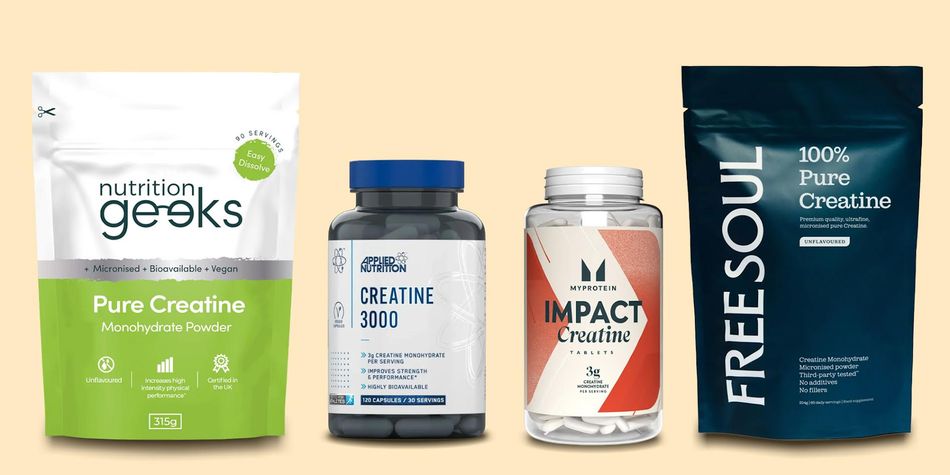
Shefalee Loth: Okay, so there’s so much about creatine. There is, and especially if you’re looking on Instagram. But actually, there is a lot of evidence to support the use of creatine monohydrate. And we looked at creatine supplements a few months ago and actually essentially all they are is one element – so they’re creatine monohydrate powder.
The evidence that exists shows that taking three to five grams a day can be beneficial. Now, the authorised health claims for creatine are that it can basically maintain muscle – so it helps you train a bit harder. So if you’re in the gym and you can do 12 reps of something, the theory is that if you take creatine, it just gives your muscles that little bit more of energy and you might be able to stretch it to 13 or 14 reps. So it’s not that creatine by itself does anything for your muscles; it just gives them that little bit of energy to help you train that little bit harder, which essentially will build muscle. So you’ve got to do the work.
There’s also evidence for older people – so I think it’s after 55 – there is evidence that actually taking creatine and doing all the right things in the gym can help you maintain muscle mass, because obviously as we age we start to lose muscle mass at an increasing rate and so doing those kind of strength-building exercises in the gym are beneficial. There is emerging evidence, but it’s still very early days, that it can help with brain fog and cognitive health, but actually that evidence is very, very early, so I would say wait and see for that. But from a muscle exercise perspective, then yes, there is evidence that it can help.
Erica McKoy: John has asked: are joint health supplements worthwhile, and if so, which ones and in what dosage and quantity?
Shefalee Loth: This is a really hard one actually, because I think the main ingredient in a lot of joint health supplements is glucosamine. And actually, there are no authorised health claims for glucosamine. So what that means is that supplement manufacturers have put in their evidence to a body – either in the European Union or now in the UK – and experts have assessed that evidence and said, “Well actually, does it prove that glucosamine is important for joint health?” And so far they’ve said no, the evidence isn’t conclusive.
Often you will find things like Vitamin C in joint health supplements because Vitamin C is key for collagen production. We talked about collagen before and skin health, but actually there is some evidence that shows that collagen can help joint health. And then the other things are, you know, making sure that your muscles are strong so they support your joints – and obviously for that you can take creatine, but you can also make sure you’ve got enough protein in your diet. So I would say probably not at the moment; you probably don’t need to be taking joint health supplements because for that key ingredient glucosamine, the evidence isn’t there.
Erica McKoy: And I have a vague memory of the last live health and well-being live that we did – and I think it was Sophie that was saying it’s sometimes really good to do a bit of exercise for those joints to build them up.
Shefalee Loth: Absolutely, because you’ve got the tendons and the muscles that surround those joints – they’ve got to be strong.
Erica McKoy: Laura has asked a question: is it worth paying more for expensive supplements with natural ingredients compared to sort of cheaper supermarket vitamins?
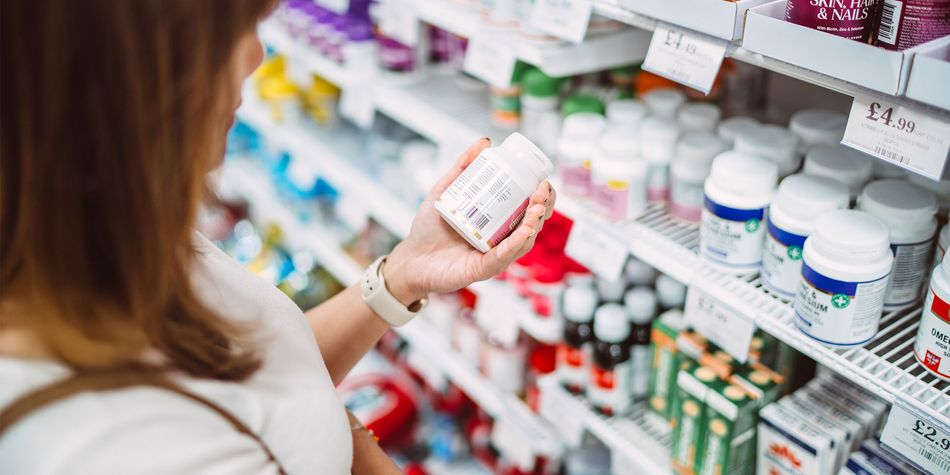
Shefalee Loth: This is a really interesting one. And actually, we’ve now reviewed maybe up to 12 different types of supplements and what I would say is that price does not reflect quality. So no, essentially it’s not always worth spending more.
When we’ve reviewed our supplements, there’s some big brands that are a lot more expensive than, say, your own brands from a supermarket or a Boots or Superdrug – and actually they’re not as good. They don’t contain the most available forms of nutrients; they do contain a lot of excessive fillers and additives and often the actives aren’t in the right dosage. So we found actually some of our Best Buys are actually supermarket own brands or health food shop own brands.
Erica McKoy: Brilliant. So it’s accessible I think.
Shefalee Loth: Yes, absolutely. And look at our reviews that are online to be able to see what the best ones are.
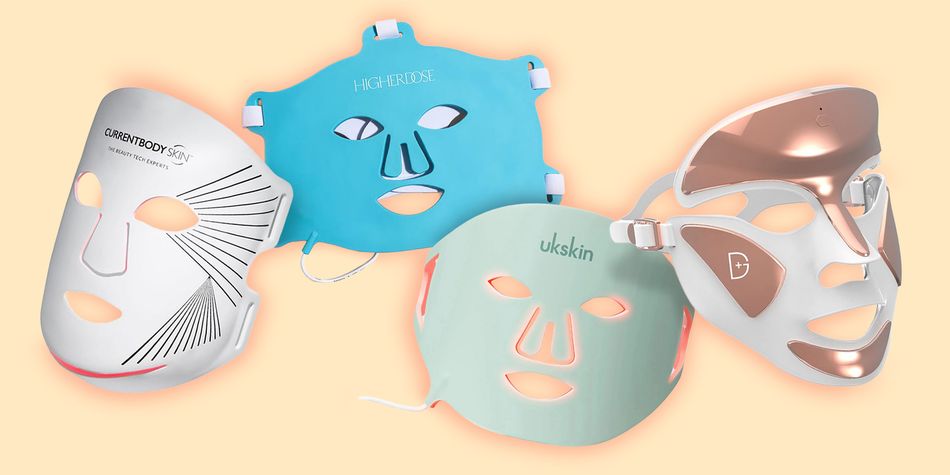
Erica McKoy: Absolutely. And this feels like a really good time to say you can get a 50% off with our podcast offer on the membership – I feel like it’s, yes, just why not? Why not give it a go just so you can see some of those supplements behind the paywall. We’ve got a question for Emma. This is controversial. LED masks – do they work and do they improve skin tone and wrinkles?
Emma Wedgeworth: So I think this goes back to the definition I said last time that I was speaking about it of: what is your definition of “work”? What do you expect when you buy an LED mask? Now, if you’re buying an LED mask because you want to see a visible improvement in deep lines and wrinkles, you’re going to be disappointed. If you’re buying an LED mask because you’re happy to spend a really regular amount of time – and that’s like 10 minutes four maybe to five times a week – and you can do that for years on end, you may see a little bit of an improvement, then they might work. And I think that’s sort of the bottom line: what do you expect from buying your LED mask and is that going to live up to your expectations? For lines and wrinkles – again, goes back to I’m so annoyed, it depends. But for example, if you’re looking at deep lines and wrinkles – so for example your nasolabial folds, these are the deep lines that run from your nose down to your mouth – and these happen because our facial shape changes as we get older, we lose our fat pads; an LED mask is not going to work for that. If you’ve got some very fine lines around your eyes, very fine sort of crinkling, maybe it might help a little bit over time. For skin tone, if you’re looking at pigmentation, so darker marks, it’s not going to help with that. If you’re looking maybe at a little bit of redness, it might help with that. So there’s a real nuance. So whenever you buy anything, what I really want people to be is intentional. It's: what do I want from this device, what do I want from this cream, and is this the right cream for that particular indication?
Erica McKoy: I like that. But also I feel like, wait, these wrinkles and lines – they show that you’ve lived a nice life hopefully.
Emma Wedgeworth: Fundamentally there is nothing wrong with lines and wrinkles. We look different every decade. Some people choose to try and erase some of those lines or improve the appearance of them because that’s what they want to do and that’s fine, that’s their choice. I’m a cosmetic dermatologist; that’s part of what I do. But there is nothing wrong with lines and wrinkles and we cannot avoid them completely.
Erica McKoy: Although I did see a picture – I don’t know where I saw it, it was an article, maybe The Guardian – and this woman hadn't smiled for years because she was like, “I don’t want any lines.”
Emma Wedgeworth: That is a valid choice – not one I choose to make. But also I think, as Shefalee knows, we are doing a trial of LED masks at the moment, so hopefully in a couple of months we’ll have the results of that.
Shefalee Loth: Absolutely. And it’s really interesting to see. And I suspect I will be surprised in some things because actually the evidence at the moment is not brilliant, so I’m basing my sort of claims on anecdotal evidence and expert opinion that I have. So you’re right, Shefalee, I’ll be really, really interested to see what we come out with.
Erica McKoy: Another question for Emma: should you use specific SPF for the face and what about the eye area? We’ve mentioned the eyes are quite sensitive of an area for people – should we use a different one to our face than our body?
Emma Wedgeworth: If possible, yes. I mean, I’m also really mindful SPF is actually really expensive and so for many people that’s not going to always be possible and so sometimes actually the body ones are absolutely fine for the face as well. But I think with your face, number one, you want it to be really cosmetically elegant because actually you’re going out – some people might be putting makeup on top of it – so it has to work in a way that the body sunscreens often don’t have to.
If you’re putting it around your eyes, some people will find their eyes really sting and that can be a real problem. And again, it goes back a little bit to sometimes the mineral sunscreens. Some people will be fine with it but some people have really sensitive eye area and I find that the mineral sunscreens are a little bit better around the eyes. So it’s all about finding something that works for you. We often say the best sunscreen really is the one that you are going to use regularly. Which? has done a lot of work with that as well. But yes, I think often there is a rationale to why you’d use a different one on your face compared to your body.
Erica McKoy: It’s time to wrap up I think, but before we go, it’d be nice to get a little final sort of wrap up in 30 seconds from each of you. What’s your sort of final tip that you kind of want to leave people with that they should remember? And who’s willing to go first?
Shefalee Loth: I can go first. I guess from a nutrition perspective, it just doesn’t need to be complicated. I would say don’t listen to the noise on social media because everybody’s an expert and shouts loud. But actually, if you think about it, healthy eating advice hasn’t really changed that much in the last 20 years and it’s about eating a varied, balanced diet and trying to eat enough plant foods basically to get your fibre.
Kathryn Pinkham: I would say we can’t outsleep stress. So if you are feeling exhausted and tired, it is important to prioritise your sleep, but it’s also important to look at your lifestyle as a whole. If you’re a million miles an hour all day, you never take time to sort of stop, breathe, smell the roses, your sleep is not going to be as refreshing as we need it to be. So sleep isn’t complicated and we need to make sure that we’re also focusing on how we are during the day time, not just what we’re doing at night time.
Emma Wedgeworth: And I would say before you even start to think about fancy gadgets, fancy creams, get the basics right. There is so much you can do for your skin health in the way of your lifestyle, of healthy habits, and that’s going to make such a big difference before you even spend a penny on actually anything that you are going to put on the skin. So just be really aware of your sort of healthy skin habits.
Erica McKoy: And I love how so much of this is actually really simple – varied diets, building that sleep appetite during the day, and just trying to relax. It's okay to feel the way you’re feeling and just try not to over-complicate things or try and make them perfect. I think that’s for all three of us – it's really don’t over-complicate. I love that.
I feel like we’re coming towards the end. We’ve got loads more advice on the Which? website if you head to which.co.uk/health. We have a free fortnightly health newsletter which rounds up everything and all the brilliant advice and tips from our team. Also you can check out all the other episodes we’ve done where I did speak to Emma and I spoke to Shefalee and Sophie Medlin as well – so check those out. Thank you to all our guests for coming in today and we’ll see you next time.
Erica McKoy: That brings to an end another podcast from Which?. If you enjoyed the conversation today, head to the episode description for more useful everyday advice. There you’ll also see an exclusive offer for podcast listeners like you to become a Which? member for 50% off the usual price, giving you access to our product reviews, our app, one-to-one personalised buying advice, and every issue of Which? magazine across the year. Plus, your membership helps us make life simpler, fairer, and safer for everyone. If you’d like to know when we release a new episode, then make sure you press subscribe wherever you’re listening. That way, you can be one of the first to listen. And for any questions, comments, or anything in between, follow us on social media @WhichUK or email us podcasts@which.co.uk. Goodbye!
free newsletter
Sign up for our Healthy Living newsletter, it's free.
Our Healthy Living newsletter delivers free health and wellbeing-related content, along with other information about Which? Group products and services. We won't keep sending you the newsletter if you don't want it – unsubscribe whenever you want. Your data will be processed in accordance with our privacy notice.
Prefer to watch this episode? Click here to watch it on our YouTube channel.
Get the Which? lowdown on popular health topics, with insight from leading experts and our in-house research team. Here are our recent podcast episodes:
The Which? podcast showcases the best content from across our website and magazine.
In our Which? Money episodes, released on Fridays, we give advice to help you get on top of your bills and tackle the issues hitting your pocket, whether that's spiralling energy costs or your weekly food shop.
The Which? Shorts podcasts offer you a free insight into some of our favourite articles from our suite of magazines.
Plus, keep an eye out for bonus episodes that tackle important issues such as motoring, tech to health and wellbeing and travel.
We're always releasing new episodes, and the podcast is available from wherever you usually get your podcasts.
Subscribe using one of the links below, or click this link on your mobile to find us in your favourite podcast app.
As part of your subscription, Which? members also get access to exclusive podcasts.
If you're not already a member, podcast listeners can get 50% off the first year of an annual membership.
Make the right choice with recommendations you can trust, backed by expert testing.
Explore health recommendations