Health? or Hype?
Make the right choice with recommendations you can trust, backed by expert testing.
Explore health recommendationsBy clicking a retailer link you consent to third-party cookies that track your onward journey. This enables W? to receive an affiliate commission if you make a purchase, which supports our mission to be the UK's consumer champion.

Public health nutritionist with 20+ years at Which? and the NHS delivering evidence-based food and nutrition insights.

Gummy vitamins are a popular alternative to tablets, but in some cases we found you could be getting much less of the key ingredients than you might expect, while paying more for the privilege.
Certain types are more likely to run into issues than others. For example, a vitamin D gummy will likely give you what you need, albeit in a pricier format, but when we looked into multivitamin and magnesium gummies, we found that you could end up shortchanged on nutrients as well as cash.
Gummies and spray vitamins have become increasingly popular in recent years. For those who struggle with swallowing pills, they can be a real help - although as with any fancy formats, they'll usually cost you more.
But they have downsides too. Gummies typically have more additives and sugar than tablets, and in some cases you could be missing out on important nutrients or getting a lower dose than anticipated, without realising.
Make the right choice with recommendations you can trust, backed by expert testing.
Explore health recommendations
We reviewed a range of popular multivitamin and magnesium gummies and sprays, to find out how they compare to pill versions. Our research shows you'll almost always pay more, and in many cases for less of the active ingredients you want.
Our analysis of multivitamin supplements rates them for completeness against 23 key nutrients we'd expect to find in a general multivitamin. Most tablets and capsules contain near this number – or exceed it.
But among the popular gummies and sprays we assessed, the most any contained was 14. The least was seven, so less than a third of the range of nutrients found in a typical pill version.
Compared to most tablets and capsules, gummies typically contain more additives and fillers, as the manufacturers need to make something that is sweet-like in texture and taste.
Common fillers are gelling agents so the gummy holds its shape, as well as sugar, sweeteners and flavourings to make it taste nice, and stabilisers so that the nutrients don't deteriorate and the gummies don't stick together.
This means there's less space to include valuable nutrients. With multivitamins, we found that, even where the nutrients are included, many of them are in low doses.
For example, New Leaf Multivitamin Gummies contain just 1.5mcg of vitamin D – 15% of the 10mcg recommended by the NHS. Many other multivitamin gummies we looked at contained just 5mcg of vitamin D – half the recommended amount.
Minerals fare badly too, and were largely absent from the multivitamin gummies we reviewed. Key nutrients, including calcium and magnesium, were missing completely. This is likely because they're needed in relatively large amounts - 800mg for calcium and 375mg for magnesium.
Probably for the same reason, we found that standalone magnesium gummy supplements also tend to be underdosed compared with capsule or tablet versions.

| Cost per daily dose | Contains | |
| Boots A-Z Multivitamin tablets | 7p | 23 nutrients at good dose levels |
| Boots Multivitamin gummies | 15p | 9 vitamins at lower-than-optimal dose levels |
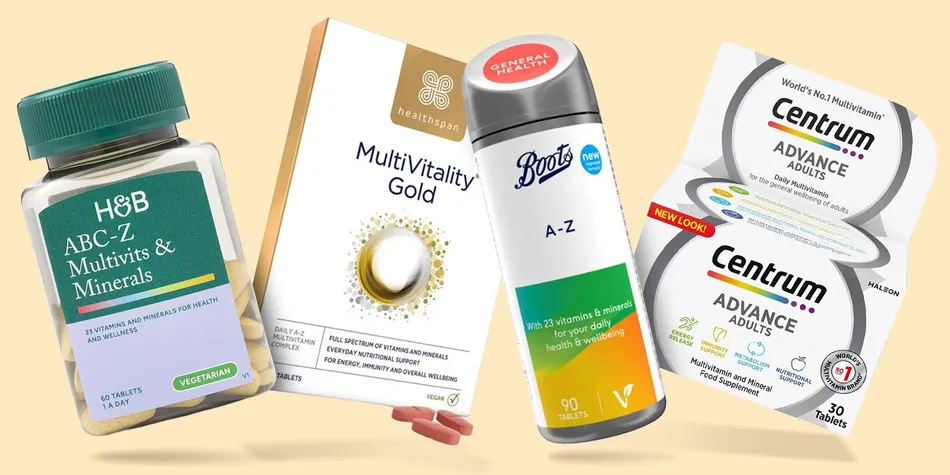
Boots A-Z Multivitamin tablets cost 7p per daily dose and contain 23 nutrients, including essential vitamins and minerals. Most nutrients are at doses that fulfil your daily needs, including 10mcg of vitamin D. It contains all 13 vitamins and 10 minerals, including copper, iodine, iron and zinc. The only nutrients that don't meet your full daily needs are calcium (25%) and magnesium (27%).
In comparison, Boots Multivitamin gummies cost 15p per daily dose and contain nine vitamins (A, B6, B7, B9, B12, C, D and E) but none in doses that meet your daily requirements - doses range from 25% (vitamin B5) to 60% (folic acid, vitamin B9). They also contain 20 additives - including five different forms of sugar and sweeteners - compared with 10 in the tablets.
If we put it through our multivitamins ratings framework, which assesses supplements on range of nutrients, dose levels, bioavailability and additives, the Boots Multivitamin gummies score just 15%. In fact, the scores for all the multivitamin gummies we put through our assessment were so poor we decided not to include them in our multivitamin reviews.

While some single-active gummies fare better – such as vitamin D gummies, which generally will meet the required daily dose level – we found magnesium gummies are another one to watch out for.
All the magnesium gummies we assessed contained low doses compared to magnesium tablets or capsules, and don't meet the daily recommended amount for adults.
Daily doses varied between 75 and 300mg of magnesium, with the most common dose sitting at around the 150mg zone. This is less than half the nutrient reference value (NRV) of 375mg - the recommended amount to aim for.
They also typically use magnesium citrate, which can have some unwanted digestive side effects versus other forms of magnesium.
| Cost per daily dose | Dose level | |
| Holland & Barrett Magnesium Citrate tablets | 30p | 300mg |
| Holland & Barrett Magnesium Citrate gummies | 63p | 150mg |
Take Holland & Barrett's own-brand offerings. The gummy version costs 63p per daily dose, but provides only 150mg of magnesium. The tablet version costs 30p per daily dose and contains 300mg of magnesium. The only downside? You have to take three tablets per day to get the full dose.
Among the 10 other magnesium gummy supplements we assessed, the cost of a daily dose varies between 22p and £1.33, and the dose level varied wildly too, for example:
Whereas we've found a Best Buy magnesium supplement that costs 17p per daily dose and provides 400mg of magnesium.

Like gummies, multivitamin sprays don't fare well when compared to tablets. The multivitamin sprays we looked at contain 13-14 nutrients compared to 23 typically found in tablets.
As with the gummies, doses of individual nutrients vary, but the Better You spray was generally quite well-dosed for the nutrients it contained.
Sprays also require a lot of additives to make them palatable, including flavourings and sweeteners such as xylitol. While xylitol can cause digestive issues at large doses, at the doses found in these sprays it's unlikely to be problematic.
As with gummies, for some these may be the preferred or only option, but it's worth checking the ingredients to ensure you're getting the nutrients you really need in the right doses if you're trying to make up for a specific deficiency.
And if you don't have absorption issues or issues swallowing pills, you're likely to be better off with a tablet.
Best iron supplements - read our independent reviews to find the best iron tablets, liquids and sprays

While gummy and spray formats are beneficial for some, they can have drawbacks including higher prices, more additives and smaller amounts of active ingredients than you might expect.
If you can swallow pills, you'll be better off with a tablet or capsule in most cases, especially for heavier minerals or combination products such as multivitamins and magnesium.
While we have two Best Buy multivitamins and two Great Value options no gummies or sprays scored highly enough for us to recommend them. The same applies to our review of magnesium supplements.
For multivitamins, the sprays we reviewed do score better than gummies, but both gummies and sprays contain mainly vitamins rather than minerals, and most of these are easy to get through a healthy diet anyway.
For example, most people get enough vitamin A from sources such as dairy, eggs, oily fish, carrots, sweet potatoes, red and yellow peppers and dark green leafy veg. The same applies to vitamin C, which is found in citrus fruits, berries, tomatoes, potatoes and broccoli.
The exception is vitamin D, which is hard to get from diet alone, and vitamin B12 for vegans.
What's missing from multivitamin gummies and sprays are important nutrients such as iron, calcium and magnesium that many people in the UK struggle to get enough of.
Always check the back of the pack when buying a multivitamin, whether that's a tablet, capsule, spray or gummy, to make sure it contains the nutrients that you need most.
The supplements you do and don't need – we look at the evidence behind popular supplements to give you the lowdown on who might benefit