Why we've lost the plot on ultra-processed food

Erica is a senior presenter and producer who has spent more than fifteen years crafting stories across for major international broadcasters. At Which? she works across our award-winning audio and video content.

Public health nutritionist with 20+ years at Which? and the NHS delivering evidence-based food and nutrition insights.

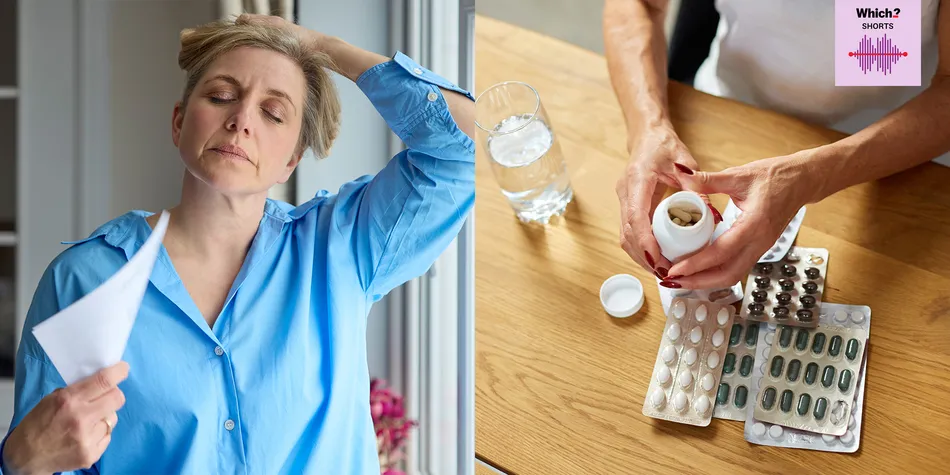
Midlife brings an incredible amount of wisdom but it can also feel like your body is going through major shifts. Unexplained weight shifts, changes to your skin, brain fog and disrupted sleep - sound familiar? And for far too long the advice has been, 'eat a little less, exercise a bit more and just push through'.
We think it’s time for a better conversation that’s impartial to help us separate myths from genuine science.
In this episode you’ll learn how much salt you need per day, the ultra-processed foods (UPFs) that shouldn’t be demonised and what you can do to have a better relationship with food as you age.
This episode features Shefalee Loth. She is a nutritionist at Which? and leads the research for the health and wellbeing team. With over 20 years of experience, Shefalee’s extensive career includes working with the NHS, The London School of Hygiene & Tropical Medicine, and the World Cancer Research Fund.
We also have Laura Clark, widely known as The Menopause Dietitian. She’s a registered dietitian with over two decades of clinical experience. She has supported thousands of patients, combining nutritional science with behavioural therapy and intuitive eating counselling.
The menopause transition happens to 50% of the population. It’s associated with an increased chance of obesity, cardiovascular diseases and osteoporosis. So, let’s talk about one of the most important parts of health: food.
Erica McKoy: Midlife brings an incredible amount of wisdom, but it can also feel like your body has rewritten the rulebook overnight. Unexplained weight shifts, changes to your skin, brain fog and disrupted sleep. Any of that sound familiar? And for far too long the advice has been: eat a little less, exercise a bit more and just push through. We think it's time for a better conversation that's impartial to help us separate the myths from the genuine science. I'm joined by two experts here. Shefalee Loth is our principal researcher and nutritionist at Which? She leads the research for the health and well-being team, and with over 20 years of experience, Shefalee's extensive career includes working with the NHS, the London School of Hygiene & Tropical Medicine and the World Cancer Research Fund. We also have Laura Clark, widely known as the Menopause Dietitian. She's a registered dietitian with over two decades of clinical experience. She has supported thousands of patients, combining nutritional science with behavioural therapy and intuitive eating counselling.
Shefalee, Laura, welcome to the Health Reset.
Laura Clark: Thank you.
Shefalee Loth: Hello.
Erica McKoy: Now, for each episode, we're going to start with some quickfire questions. We're going to put a minute on the clock, and we're going to get started. How bad are ultra-processed foods, really?
Shefalee Loth: Not all ultra-processed foods are bad.
Erica McKoy: Do we have too much protein in our diet?
Laura Clark: I think we are getting a little bit obsessed with the protein train.
Erica McKoy: Does our metabolism really slow down as we age?
Shefalee Loth: Not as much as we originally thought.
Erica McKoy: Okay, I think that will surprise people. How much does estrogen impact the gut?
Laura Clark: Lots of interaction between the gut and estrogen – more so than perhaps we realized.
Erica McKoy: Can we reduce our risk of diabetes and cardiovascular disease through diet?
Laura Clark & Shefalee Loth: Yes.
Laura Clark: Simple.
Erica McKoy: What's one thing you wish you knew in your 30s that would have helped you in midlife?
Laura Clark: That you can't wing it once you get into your 40s.
Erica McKoy: Do most people in the English-speaking world eat too fast?
Shefalee Loth: That's really hard. It's a generalisation, but I think if – saved by the bell!
Laura Clark & Erica McKoy: Saved by the bell!
Erica McKoy: What do you mean? Let's talk about that a little bit.
Shefalee Loth: I guess if you think about people eating their lunches at their desks while they're working and not actually taking time out, then yes. But if you think about a family sitting around a dinner table, then not necessarily.
Erica McKoy: Do we have bad eating habits in the UK? Eating at the desk, maybe eating on the go. Is this bad for our gut?
Laura Clark: Eating in front of the TV, I guess. I think we need to realise that if we want to be good at anything, we have to give it some of our attention. And I think that eating has become a bit of a casualty, really, of us looking for productivity in so many other areas of life. And because eating is something that we can theoretically do quite automatically, quite subconsciously, without the executive functioning needing to be involved in that too much, eating more often than not, for a lot of people, the reality is it's just done fairly mindlessly. And I have lots of conversations with clients along the lines of: if you want to feel better about your relationship with food, then you are going to have to give it some more of your attention. And once we start there, there is generally a path then to a more nourishing relationship with food, I would say.
Erica McKoy: Could we talk about the big question? We always hear it: you are what you eat. How does food actually impact how we age, Shefalee?
Shefalee Loth: Obviously, eating a healthy, balanced diet is going to set you in good stead for later on in life. You've got to make sure you've got enough protein in your diet to build muscle, you've got to make sure you're eating enough fibre, your fruit and veg will give you all the antioxidants and the vitamins and minerals you need. So it is really important. We know that poor diet increases your risk of many, many diseases later on down the line.
Erica McKoy: Everybody is different. Why do people tend to gain weight in that menopause, perimenopausal transition? What is going on inside the body?
Laura Clark: Simple answer to that is: lots. I think it's a very difficult transition to navigate in a world where we are constantly bombarded with this message of simplicity: you just need to eat less, move more, and if that strategy isn't working for you, then you are doing something wrong. I think a lot of menopausal women feel the finger of blame very much pointed at their door, which in itself raises the inner critic, declines our ability to find self-compassion, and actually, if we can flex the self-compassion muscle, we can get much more curious about our eating behaviours. Because it's quite clear to me that so many things influence how we interact with food as we age, whether that's competing priorities on our time, whether that's coping with menopausal symptoms that can influence appetite regulation – poor sleep, for example, sugar cravings. There are lots of things that impact the food choices that we're drawn towards.
And we also know, of course, that if we've got fluctuating levels of estrogen and eventually a decline in estrogen, that that is associated with altered body composition. So we can see across the menopausal transition that we will get a lowering of our lean muscle mass, and we will get a change in our fat mass, usually associated with around the middle, and that's because, of course, we're losing our female hormones, and therefore we're taking on more of that male pattern of fat storage. Interestingly, the research can't categorically say that it's menopause that's causing that change in fat mass – it is the process of aging as well. So we need to be very careful to say that menopause is a ticket to automatic weight gain without looking at all of the other lifestyle factors that are also involved in that. But it's true to say that there are many confounding factors and that, for most women, they will see some weight gain through that menopausal transition.
Erica McKoy: You mentioned estrogen and how that falls during the menopause or during that transition. What is happening with our insulin levels, because is there a link between the two?
Laura Clark: Estrogen plays a role in our sensitivity to insulin and in our glucose metabolism generally. So when we're comparing what happens to our blood glucose levels in premenopausal women as compared to postmenopausal women, we can see that we tend to get these bigger peaks and troughs in our blood glucose levels, and that we're not as efficient at clearing up after ourselves after food, so we might see that glucose levels stay higher a little bit longer. But we need to be really cautious – this is not saying that all women become insulin-resistant as they go through menopause, and therefore all women should be trying to adjust their diets because they now have supposed insulin resistance. That's not the case at all.
And in fact, the downside that I see of that messaging is that women start to become quite fearful of carbohydrate, and carbohydrate intakes plummet. It also suits the "you need bucketloads of protein" narrative really well, right? So I see time and time again in clinic that women are under-fuelling themselves, eating lots of protein so they feel quite full, but actually they're not nutritionally full – they haven't got everything that the body needs, but they've got this perception in the brain that they can't fit much more in. So there's this real intricate balance between carbs, protein, fibre, etc. that we're here to kind of shed some light on today.
Erica McKoy: As we get older, do we need to be adjusting our diets to suit our age, maybe the amount of movement we're doing as we get older?
Shefalee Loth: So we know that our muscle mass declines naturally from around our 30s, and so to try and minimise that, we probably need to be upping our protein intake a little bit. But actually, as Laura said, we really don't have an issue with protein deficiency in the UK. Most of us are getting more than enough, and there's this real thing where, obviously, the more protein you consume, it ends up displacing other foods from your diet, and that means that you might be cutting out on your carbs, or your whole grains, or your fruits and veg, and then you're missing the important nutrients that are in those foods.
Erica McKoy: Am I right in thinking we need to be doing a bit of both – obviously doing those weight-bearing exercises to keep building the muscle, but also thinking about what we eat and having a balanced diet?
Shefalee Loth: Yeah, absolutely. We know that we're losing muscle mass, so actually there's a lot of research and science out there that says it's really important for women, especially in that middle-age, midlife period, to do some strength, weight-bearing exercises to maintain their muscles and their bones.
Erica McKoy: Metabolic slowdown – I've heard a lot about it. It's something I've even heard in the office. We've got an article about it on which.co.uk. Laura, can you tell us a little bit about metabolic slowdown?
Laura Clark: Metabolism, I think generally in midlife, is a very emotive subject. There is a perception, as our weight changes, that that must be due to our metabolism slowing down. The reality, when we look at the research, is that our metabolism is relatively stable from the ages of 20 to 60. And we do see a slowing in metabolism that potentially is due to a loss of muscle mass. So muscle is the most metabolically active tissue in the body, so as we were saying earlier, with that combination of protein and resistance training, it makes sense for us to hold onto muscle and build it if we can as we age, because it's the metabolic powerhouse, really, of the body.
Erica McKoy: So muscle helps us use that energy that's in our body?
Laura Clark: Absolutely. So within muscle, we store glucose in the form of glycogen. So you want to think about each of your muscles really as being a swimming pool for that glycogen storage. So if we lose muscle, we're losing the ability to store glycogen. We're not as metabolically efficient if we haven't got muscle on our side.
So we can see, as we head into older age, that there is a small decline in metabolism – metabolic rate, so the amount of energy that we need to function – but it's only really around 100 calories' worth, right? So not a huge amount. And so this perception that all of a sudden we're seeing changes in weight, and that must be because our metabolism has suddenly ground to a halt the day after our 40th birthday, that's the kind of narrative that we just need to guard against, because the chances are there are going to be multiple lifestyle factors that are also impacting that change that we're seeing. And there is something that we can do about that. We can stay very proactive within that. We don't need to become passive and complacent that this is just a thing that happens that we don't have any control over.
Erica McKoy: What would you recommend people do? Obviously, there's loads of things, but in terms of food and in terms of – yeah, what could we do?
Laura Clark: So I think the first thing I would say is, as you come into the menopausal transition, as you come into midlife, just have a check on what that lived experience that you've had so far has brought for you, because if you have dieted on and off for a number of years, we know that impacts metabolic rate, right? It will impact your muscle mass, and that constant loss and gain of weight does impact metabolic rate. So everybody is going to come into midlife with a very different lived experience, and there needs to be an opportunity to just take a step back and say, "Well, where am I at here? What's my body been through already?" Perhaps you've been through major surgery. Perhaps you've had limitations on how active you've been able to be.
Erica McKoy: I mean, this perfectly leads me on to my next question, which is: do we need to be reflecting on our relationship with food?
Laura Clark: It's a brilliant opportunity to do so. We are all made up of all of these different habits, and does the diet and wellness culture that we have been saturated in for our whole lives, does it really give us an opportunity, without judgment, to get curious and seek to understand why we do what we do? Or do we actually find all of these menopausal women walking around judging themselves, thinking that they simply require more self-discipline, when that, I see time and time again, is not effective? We actually have to get much more curious about our why and seek to redefine, actually, what a healthy relationship with food looks like.
Culture at the moment, I think, is pushing this idea of optimisation all of the time.
Erica McKoy: Productivity.
Laura Clark: Productivity. Some of the things that Shefalee and I have learned through our training, that we have spoken about for decades, is suddenly getting a rebrand within social media, right – things like protein-maxing, fibre-maxing. This optimisation culture, it's bonkers – like, it's absolutely bonkers. Because the basic stuff that we can do that's sustainable, that makes the biggest difference to health long-term, isn't sexy, it doesn't catch the eye on social media, it sounds a bit bland, a bit boring.
Shefalee Loth: Doesn't sell books.
Laura Clark: Doesn't sell books. If you – Shefalee said earlier the importance of a healthy, balanced diet, you can imagine even people listening to this podcast: "Oh, the eye roll, oh God, that again," you know? I think we need to get better at actually defining what that looks like and get into the conversation as to why that is just so hard to define and to achieve for a lot of people.
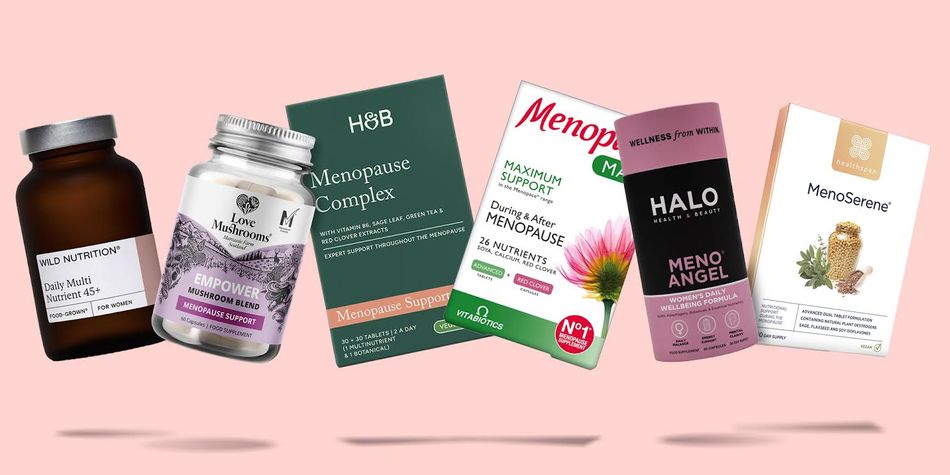
Erica McKoy: I think lots of people are a bit unsure about what to do when they get to the menopause, and they see lots of things on the shelf, and they go, "Oh, it's got 'menopause' on it, it must be for me." Can we talk about menopause supplements? Because there's lots of them. I went into the shop the other day – not a supplement, but it was kind of – I was like, "Wow, that's aimed at menopausal women," but it was bath salts. I was like, "Oh, do we really need bath salts specifically for people going through the menopause?" I don't know. Anyway, so there's lots of supplements out there. What have we been testing at Which?
Shefalee Loth: Okay, so we have been looking at menopause supplements at Which? And I think the issue is is that there's a lot of change happening within this timeframe for women, and there's not always the right help for them. So that means that we end up turning to supplements or other products to try and solve the issues that we're having. And we did some research at Which? where we looked at 27 popular menopause supplements that are on the market and looked at the ingredients in them. We looked at the vitamins and minerals, we looked at the botanical ingredients, we also looked at the additives that they contain.
And actually, in total, we analysed the evidence behind 80 different active ingredients. So across these 27 supplements, there were 80 different ingredients in them. Now, what was really telling is that not one supplement had the same ingredient across the board. So that just goes to show that the evidence for these ingredients, these products, really isn't there. When we looked at the evidence, actually, the nutrients that have the most evidence for menopause are calcium and vitamin D. Beyond that, there might be some requirements, but are they any higher than they would be in everyday life? It wasn't clear.
So at the end of the analysis, our conclusion was actually, you probably don't need a menopause supplement. What we found is actually, even those ingredients that do have evidence, they're often not in the right doses that in clinical studies have been shown to be effective. So we're talking about fairy-dusting here, and essentially that's when manufacturers will put a sprinkling of an ingredient into a product that enables them to put a health claim on the packaging, but actually the quantity of that ingredient isn't enough for anyone to feel any real benefit from it.
Erica McKoy: People definitely do not know that.
Shefalee Loth: They don't.
Erica McKoy: We've got some menopause supplements here. What should people be looking out for, because when you do go into these shops, often there's shelffuls of stuff? Is it worth going to a dietitian or your GP for this sort of support to find out if you actually need –
Shefalee Loth: Absolutely. And a lot of these botanical ingredients, there is evidence for them in some clinical trials, but again, it's really hard with botanicals especially – it's really hard to replicate research. Concentrations of active ingredients in plants change, so it's really hard for people to replicate those studies again and again at exactly the same doses to be able to definitively say, "This dose of this ingredient will see an improvement in X symptom."
However, there are some botanical ingredients such as black cohosh, ashwagandha, St John's wort that have shown in some studies to be beneficial for symptoms such as hot flushes and anxiety. There's a Cochrane review, though, looking at black cohosh that actually said it didn't help in reduction of menopause symptoms. And I think the other thing with botanical ingredients specifically is that just because they're natural, it doesn't mean they're totally safe. And so there have been quite rare, but there have been instances of people reporting liver damage, etc. And I think what's really key here is if you are taking any other medication, then don't just add a supplement in, because there can be interactions. So if you want to add a supplement into your diet, then make sure you check with a pharmacist or a registered dietitian that there aren't going to be any interactions between ingredients.
Laura Clark: Can I just add a practical tip? I think I would always advise women to be really clear on the symptom that they're wanting the supplement to improve. I think if you go in to that shelf thinking, "I feel a bit meh, and I want something to help me feel better," that's going to be very difficult to measure, right, whereas if you go in going, "I have hot flushes, and I want to look at a botanical treatment for that," then you've got a much better chance of matching a supplement that might help with that.
And I think on another practical point, if you're taking something for three months, that's a generally quite a good length of time to judge it, and at the end of that, if you really don't feel any difference at all, then again, an opportunity to reflect on whether you want to keep investing in it.
Erica McKoy: "Meno-tax" is kind of this phrase I've heard. So the bottom line, it feels like: perhaps maybe save yourself the money, maybe get something that's a bit more targeted. Would you also suggest maybe a multivitamin if someone did want to supplement?
Shefalee Loth: Standard over-the-counter multivitamin will have around 23 nutrients in it, so it's a broader balance, but you may not need that. A lot of people aren't deficient in vitamins and minerals. Obviously, the exception there is vitamin D, but actually, not everyone needs to be taking a supplement or a multivitamin supplement.
Erica McKoy: If you want to read our reviews into fibre supplements, we've got a fantastic offer for you. It's exclusively for our podcast listeners: 50% off. Head to which.co.uk/podcastoffer.
Could we talk about salt? I've got five products here. They've been involved in our latest bit of research. We did some analysis. Some peanut butter – love a bit of peanut butter. I love a protein bar as well.
Laura Clark: Looks like an interesting lunch, so I'm glad you said it was research.
Erica McKoy: Could be – well, to me, that seems like a good lunch, but you're like, "Not nutritional, maybe not." But we have five foods here, all of them have something in common, which is high levels of salt, which I think would surprise people. So we've got this: lentil chips, protein bars, we've got a little cottage cheese, peanut butter. Would they expect this to have that much salt in it?
Shefalee Loth: So our investigation looked at a range of foods that actually you might not expect to be high in salt, but actually are. Now, that doesn't mean that they're unhealthy necessarily. Cottage cheese, for example, is a great source of protein. However, you do need to be cognisant of the salt intake. Generally, we're all eating too much salt. You're meant to have around six grams a day, but actually, most of us consume much more than that. 75% of the salt that we eat is already in the foods that we buy, such as these and other products. So you don't have a lot of control over the amount of salt, but you can choose lower-salt alternatives.
Erica McKoy: Why do people tend to consume so much salt? Because if I was eating some of this – which is the lentil chips, maybe with a bit of hummus – I wouldn’t necessarily think it’s loaded in salt or too much salt.
Shefalee Loth: You don’t actually have that much control over the amount of salt that you consume. Even at home, if you’re not adding it to cooking, it’s often already in the foods that you’re preparing.
Erica McKoy: And it comes in the form of preservatives often, right?
Shefalee Loth: It depends what product it is. It’s either in there for flavour or as a preservative. But essentially, once you consume it, it has the same effect on your body.
Erica McKoy: Do menopausal women, post-menopausal women, need to be aware of their salt intake, Laura?
Laura Clark: I think it is the modifiable risk factor that we have the most influence over because of the connection that we have between salt, blood pressure, and our cardiovascular disease risks. Estrogen is protecting the heart, so as our estrogen levels decline, unfortunately for women our cardiovascular disease risk does increase post-menopause.
Salt is definitely one of those things that I think doesn’t get the spotlight very much because, as we’ve established already as we’ve chatted, there’s lots of noise about protein and carbohydrate and weight management. People might be looking at those major nutrients – carbs and fats – and making it all about weight. Actually, salt is non-discriminatory. You can be any body size and still have a problem with blood pressure, and still have a higher cardiovascular disease risk.
We can certainly see from the literature that cardiovascular disease can be a real silent killer for post-menopausal women because they don’t present to their GPs with the same plethora of other symptoms that you would associate cardiovascular disease with. They might not be in larger bodies, they might not be running on high stress, smoking, alcohol, all those other lifestyle factors that we often associate with people that have heart attacks. You think heart attack, you think fry-up. Salt is sinister because it remains undercover, almost.
I think context is really key. As Shefalee said, we don’t want to be creating panic around everyday foods that have got real nutritional value. We’ve talked about the importance of calcium – two to three serves of calcium-containing dairy foods means that you’re less likely to need a calcium supplement. We don’t want to be demonising cottage cheese, but we also want to draw attention to different brands having different amounts of salt in them. It is definitely worth comparison.
If you always pick the same brand of cottage cheese or hummus or peanut butter, whatever it might be, just have a look at the label and see how that salt intake – or content, sorry – compares to other brands. If you can choose one that’s lower in salt, then that’s what we would advise you to do.
Erica McKoy: We’ve got some lower-salt alternatives in that article, so if you do want to try out a different brand, then why not? We’ll put the link in the show notes.
Can we talk about ultra-processed foods? Some of this stuff will be, just by the nature of what it is, ultra-processed. There’s lots of fear online about ultra-processed foods. At the beginning of the show, we started off and we kind of agreed that maybe we don’t need to be so concerned about ultra-processed foods. That will make some people uncomfortable, so tell us.
Shefalee Loth: It’s not that we don’t need to be concerned, but I think when you think of the category of ultra-processed foods, it’s such a broad category and it encompasses so many different types of foods. I think what we need to be careful of is just not demonising everything that is ultra-processed.
Within that category, there are some foods that we most certainly should limit, and those would be things that are highly processed – they have very little nutritional value, they may be high in salt, in sugar, and saturated fat. But at the other end of the scale, there are things like hummus or peanut butter maybe, or baked beans or fish fingers or bread – whole-grain bread – that is also ultra-processed, but actually doesn’t need to be demonised because actually they make valuable nutritional contributions to our diets.
Erica McKoy: And they can be really convenient as well. For people that are time-poor and you just need to –
Shefalee Loth: I think that’s the thing, and I think there is a real danger with this whole blanket demonisation of UPFs that people just switch off. Because they think, "If I can’t have bread, what am I meant to do? Am I meant to spend £5 on an artisan loaf?" – because that’s not accessible to everyone – "or am I meant to be baking my own bread at home?" Again, not accessible to everyone.
I think there’s a real danger, and we do see this within our profession, that people just think, "I can’t eat anything, so I’m just going to eat whatever I want." Actually, they end up eating foods that could cause them harm.
Erica McKoy: Or you end up just not eating properly, and then you end up being a bit hungry, and then you go, "I just need to –"
Shefalee Loth: Then you binge on something that’s – totally.
Erica McKoy: Laura, do you see this in clinic?
Laura Clark: Oh, I think we’ve totally lost the plot with ultra-processed food. I think that the people who are picking up on that messaging around the fears of ultra-processed foods are those people that could really use their time wisely in finding ways to boost the number of fruits and vegetables that they eat every day, or perhaps switching to some whole-grain sources of common things like rice and pasta that they eat.
I don’t think they need to spend half an hour with an app or Google in the bread aisle searching for every single loaf and what it’s got in it. I think we’ve lost all perspective. The reality is if the core of your diet is good and it contains the things that we know really improve our long-term risk of disease – like fibre, like fruits and vegetables – the peripheral stuff doesn’t really make any difference. Yet we seem to be ignoring those basics and getting incredibly paranoid about everything that we’re putting in our shopping trolley. I think we need to call time on that and just pull back and get a little bit of perspective.
Erica McKoy: Time out, people, time out.
Shefalee Loth: Absolutely.
Erica McKoy: I think, as well, lots of people get a bit nervous about their gut microbiome and potentially ruining their gut microbiome with ultra-processed foods. How resilient is the gut to foods?
Shefalee Loth: I think the whole thing around UPFs and your gut microbiome is a lot of UPFs are low in fibre. Maybe that’s why you end up with a poor gut microbiome. There is some evidence that some emulsifiers or artificial sweeteners can disrupt your gut microbiome, but again, I think Laura says what we’ve really got to do is focus on the bulk of our diet. As long as that’s fine, the odd artificial sweetener, the odd ultra-processed food really isn’t going to disrupt your gut microbiome.
Erica McKoy: My understanding is that gut microbiome is actually super resilient, and you can reverse some of that damage just through eating well.
Laura Clark: Absolutely, it evolves all the time based on the diet that we’re giving it. So if we come back to the basics of having a variety of plant-based foods in the diet – not exclusively so, but that they’re present – that’s really going to help those good bacteria to thrive.
We know generally that there might be a decline in our diversity of good bacteria associated with the menopause. Again, we need more research to really dig into that in detail. We know that estrogen plays a role in – or rather the gut microbiome plays a role in how we recycle estrogen back into the body. There’s definitely this symbiotic relationship between our reproductive hormonal health and our gut microbiome. Really exciting stuff, and we’ll learn more as the years roll by.
For now, absolutely, we don’t need to be panicking that our guts are a barren land that’s going to set us on the road to ruin. I really think we need to be careful with certain things that are very much monetising the idea of good gut health. I think we’ve got to be very cautious there, because again, the basics done well work really effectively in looking after our guts.
Erica McKoy: I kind of want to unpick a little bit of what you said about estrogen there. How does estrogen impact the gut, because you said there was a symbiotic relationship between estrogen and our gut microbiome?
Laura Clark: So we have a group of bacteria which are called the estrobolome, and they are responsible for metabolising estrogen and recycling some estrogen back into the body. We can also see through observational data that there is an association with the menopausal transition and the diversity of gut bacteria.
We also see more anecdotally than lots of gold-standard evidence that you might notice – particularly if you have some sort of IBS symptom before menopause – that as you go through menopause, this might worsen. So you might notice that you have more bloating or altered bowel habit or cramping. Those sorts of symptoms can be more common in menopause. I certainly see a lot of women who are struggling with IBS.
Again, the need for tailored, individualised advice is quite key, but we are lacking research at the moment to be very decisive about what that means. We certainly don’t have the evidence that all menopausal women should be taking a probiotic supplement, for example. As I say, I think we need to be really cautious that we’re analyzing our microbiomes, perhaps we’re getting lots of information, lots of data, but that doesn’t feel like a helpful thing to have got. It just creates more fear and anxiety and makes – if we come back to that point about healthy food relationships – if we’re second-guessing everything that we eat, is that a healthy food relationship or are we actually just creating unnecessary anxiety around what we eat?
More importantly, what messaging are we passing on to the younger generation? Hence why we’re here chatting, right? We’ve got to guard against the utter rubbish that they are seeing on social media and provide that line of context, and balance, and all that lovely boring stuff. We’ve got to be really careful that we don’t run away with trends that really don’t stack up scientifically.
Erica McKoy: Thanks for being so boring.
Laura Clark: We love being boring.
Erica McKoy: In the last series, we really got into ultra-processed food, so we’ll leave a link to that in the show notes too so you can listen back to it. We’ve got a free Healthy Living newsletter, which we’ll leave in the show notes for you.
Let's talk about fibre-maxing, because fibre-maxing is everywhere. So is protein-maxing, we kind of spoke about it at the beginning. It sounds both a bit disastrous, but also amazing. Lots of fibre – could be on the loo; lots of fibre – also good for your gut. What is fibre-maxing?
Shefalee Loth: I think fibre-maxing is a reaction to protein-maxing, which went viral on social media and was basically people talking about eating protein at every meal and maximising your protein intake. I guess fibre-maxing is the same, but with fibre.
While, as you say, it sounds great, what I would say to somebody is don’t go from zero to 100 with your fibre intake, because actually you will suffer some unpleasant side effects, basically.
Erica McKoy: A bit of bloating, maybe on the loo.
Shefalee Loth: Exactly, and just discomfort. With fibre, yes, very few of us reach our 30g-a-day recommended intake, but actually to get there, take it slow and steady. Increase your fibre intake gradually. Give your body a week or so, a few days, to adjust and see how it copes.
Don’t just do it by itself, you’ve got to increase your water intake at the same time – your fluid intake.
Erica McKoy: And we want lots of colour, as well.
Shefalee Loth: There are different types of fibre, and different foods contain different types of fibre and different balances. Really, we say eat a rainbow – so that’s eating different-coloured fruit and veg – or eat 30 different plant foods a week, you’ll hear that. That’s just about adding variety. You don’t want somebody eating broccoli every day necessarily, but if you can have broccoli one day, you can have carrots, or you can have peas, or you can have kale. The variety is really key here.
Erica McKoy: Try something new.
Laura, tell us the difference between soluble fibre and insoluble fibre.
Laura Clark: Those terms have been around a long time. I don’t think they’re probably as helpful to people as they could be, and I’ll explain why.
Generally, insoluble fibre is your roughage. It’s the things that you find in skins, it’s the outside of a grain. It’s the intestinal chimney sweep, if you like, so it creates bulk to the stool, helps things move through nice and smoothly and easily. Roughage is the best way to think of insoluble.
Soluble fibre is, as the name suggests, capable of absorbing water, so it forms a gel-like consistency. Soluble fibre is found in oats, fruits, vegetables, and pulses and lentils predominantly. Soluble fibre, because of its gel-like consistency, will keep your stool nice and soft and easier to pass, so you need a mixture of the two.
It’s worth just noting, though, because we’ve been talking about IBS and gut health generally, that a more helpful classification, particularly in the menopause, is around the fermentation of that fibre – so how fermentable it is. Foods that are highly fermentable can create more gas and bloating.
Foods that are rich in soluble fibre or insoluble fibre – some of which of those are going to be highly fermentable. For example, things like onion and garlic. That’s where sometimes you get into the nitty-gritty of individualised advice, because people still need fibre in their diet, but they need a little bit of guidance around how fermentable it is so that they can have greater tolerance in terms of some of those gut health symptoms.
Erica McKoy: Let's get into some listener questions. Our listeners have been leaving some questions for you, and some of them are comments as well.
Becky said, "Diets often depend on health conditions, so unless they’re specific, they can all be contradicting and confusing. What’s the best way to approach this?"
Laura Clark: I really hear Becky there, because it’s so true. People are juggling lots of conditions, and also the conditions within a family, perhaps, as well. Bringing nutrition onto the table in a meal that feels like it ticks those boxes for everybody is really challenging.
Without talking about specific conditions, I think all we can say to that is that sometimes you do need a little bit of a helping hand with some individualised advice from a registered dietitian, so that she can help you to work out what your priorities are and where to focus your attention.
Erica McKoy: We had an anonymous question here that says, "Is there a link between soft-textured foods and eating more?" We kind of spoke about eating quickly at the beginning, but is there a link? If I was to eat a soft-textured food, am I probably going to eat it a bit quicker? Do I need to take my time with foods?
Shefalee Loth: I guess this is one of the things that UPF research shows. A lot of UPFs or a lot of processed foods don’t have that crunch or they’re lacking that fibre, and so you can consume them quite quickly.
I think if you’re eating whole foods, if you’re eating whole grains and vegetables, they do require a lot of chewing, and so that gives time for your food to digest, to signals to go to your brain to say that you’re full, whereas actually if you are eating a lot of soft-textured food, you’ve probably eaten a lot more before those signals get to your brain.
Erica McKoy: Caroline asked the question – she said, "Buying stuff that’s 'no added sugar', yet all the other ingredients are just sugar in different formats." I guess that’s a bit of a statement, but what do we think?
Shefalee Loth: We see this all the time whenever we do any kind of ingredient analysis at Which?, and something may say 'no added sugar', but then it’s got apple juice concentrate in the ingredients, or different types of fruits, or glucose syrup or agave syrup. They’re all types of sugar, and your body processes them the same.
It’s especially an issue with a lot of foods aimed at toddlers and babies, and they’ll say 'no added sugar', but then they’ll have grape juice or apple juice in them, and it’s essentially a type of sugar, it’s a sweetener.
Erica McKoy: So what we’re saying, Caroline, is we hear you.
Shefalee Loth: We hear you. You need to be looking at the ingredients on the back.
Shefalee Loth: And it looks like she knows the tricks already.
Erica McKoy: If you’ve got any questions or messages, and you want to put them to our experts for our next episode, it’s all about skin health, so leave them in the comment section below.
Let's wrap up. This has been a fantastic episode, I’ve learned so much. What are our takeaways here? Can you actually eat your way to a younger body?
Laura Clark: Oh, I don’t like that phrase!
Erica McKoy: Tell me why you don’t like it.
Laura Clark: Again, we need to be thinking about health in a proactive way, but we also need to be enjoying the life that we have here. We’ve only got one shot at this, so I think we need to make sure that we’re having an enjoyable, happy relationship with food, eating a variety of foods. We can’t reverse the clock through food, but we can certainly give our bodies some resilience, some protection, to guard against whatever’s coming down the line. None of us know, so it’s as much about what you eat as it is the attitude that you have to food. I think those two things are in equal measure for me.
Erica McKoy: The whole point of this conversation is actually this stuff is quite boring, and we need to be doing simple things, and you can’t put it on a package. But if I had to ask for three things that we could just change to have a healthy relationship to food, what would you put out there? What would you say?
Shefalee Loth: For me, it would be stop fixating on the latest fads or trends, and go back to basics, really. Think about eating as many whole foods as possible. Don’t worry about the occasional bit of chocolate that you have, or the crisps that you eat on a night out with friends. It’s just thinking about your diet as a whole, and don’t worry about individual things as much.
Erica McKoy: Laura, do you have anything?
Laura Clark: I’m going to say three quick things.
The first thing: have a regular meal intake. It’s the scaffolding for your day, and if you eat three meals a day, you are more likely to get in the protein and fibre that we’ve been talking about in a way that your body can make the best use of.
The second thing is don’t sweat the peripheral. It’s about the core context of your diet, and to help that come to life, I talk about three plonks. Every time you eat, make sure you’ve got some sort of protein, some sort of carbohydrate/fuel, and some sort of fibre. If you build your meals around that, that goes a really long way to achieving everything that we’ve talked about today.
The third thing I would say is catch yourself if you’ve got any all-or-nothing thinking around nutrition. Really common. Often all-or-nothing thinking works well in other areas of life, but in nutrition, there is a lot of grey. We don’t like black and white. Lots of nuance, lots of grey, lots of individuality, so you’ve got to be prepared to flex. People that have flexible eating patterns and styles, and they can really listen and tune in to their body and what it needs, tend to have happy, healthier relationships with food as they age.
Erica McKoy: Wonderful. Thank you so much for that advice, and thank you for joining me today.
This is The Health Reset, a podcast by Which?, helping you to separate the myth from the genuine science. You can head to which.co.uk for more like this. If you also liked this episode, why not check out our free Healthy Living newsletter? We’ll leave a link in the show notes. Thanks for listening to the show.
Live well and stay healthy
free newsletter
Sign up for our Healthy Living newsletter, it's free.
Our Healthy Living newsletter delivers free health and wellbeing-related content, along with other information about Which? Group products and services. We won't keep sending you the newsletter if you don't want it – unsubscribe whenever you want. Your data will be processed in accordance with our privacy notice.
More health podcasts from Which?
Get the Which? lowdown on popular health topics, with insight from leading experts and our in-house research team. Here are some of our recent podcast episodes:
- The truth about menopause supplements
- Is dark chocolate good for you?
- Is private healthcare good value for money?
- Why you don’t need to spend big to look good and sleep better
More podcasts from Which?
The Which? podcast showcases the best content from across our website and magazine.
In our Which? Money episodes, released on Fridays, we give advice to help you get on top of your bills and tackle the issues hitting your pocket, whether that's spiralling energy costs or your weekly food shop.
The Which? Shorts podcasts offer you a free insight into some of our favourite articles from our suite of magazines.
Plus, keep an eye out for bonus episodes that tackle important issues such as motoring, tech, health and wellbeing and travel.
How to listen to the Which? podcast
We're always releasing new episodes, and the podcast is available from wherever you usually get your podcasts.
Subscribe using one of the links below, or click this link on your mobile to find us in your favourite podcast app.
As part of your subscription, Which? members also get access to exclusive podcasts.
- Listen to member-exclusive podcasts on our website
- Listen on the go by downloading our app on Google Play
- Listen on the go by downloading our app from the App Store
If you're not already a member, podcast listeners can get 50% off the first year of an annual membership.