Health? or Hype?
Make the right choice with recommendations you can trust, backed by expert testing.
Explore health recommendations
Public health nutritionist with 20+ years at Which? and the NHS delivering evidence-based food and nutrition insights.

With age, we can become more susceptible to injuries and everyday aches and pains.
However, there are things you can do to reduce the risks and to help maintain the health of your bones, muscles and joints.
We've rounded up the best science-backed ways to live well for longer and to help you maximise your later life health.

As you age, your body becomes less efficient at converting protein into muscle, a process known as anabolic resistance. This leads to loss of muscle mass, which in turn can impact your mobility and general health.
However, there are things you can do to minimise or lessen this effect, including ensuring you get enough protein in your diet, and in the optimal way.
General guidelines for healthy adults aged 65 and over suggest 0.75g to 1.2g of protein per kilogram of body weight.
For a 70kg adult, this equates to roughly 52g-84g of protein per day.
For context, a chicken breast has around 35g, a portion of salmon has 30g, a medium egg has 7g and half a tin of baked beans has 10g. Protein isn't just found in meat – and in fact, a diverse range of sources, especially those rich in the amino acid leucine (like dairy and soy), is best for muscle maintenance. Good vegetarian/vegan sources include quinoa, beans, lentils, tofu and oats.
Aim for 25-30g of protein at every meal, rather than packing it all into one. This spread-out approach is the most effective way to turn on muscle repair and growth throughout the day.

As we age, our bodies become less efficient at absorbing calcium. To keep your bones healthy, you need to ensure you are getting enough through your diet while also providing your body with Vitamin D and Vitamin K2 to help it process it.
While most adults require 700mg of calcium daily, if you're post-menopausal or have osteoporosis, Coeliac disease, or inflammatory bowel disease (IBD), you should generally aim for 1,000mg-1,500mg daily.
The drop in oestrogen during and after menopause directly reduces calcium absorption, increasing the risk of osteoporosis — a condition where bones become more fragile and prone to fractures or breaks.
Good calcium food sources:
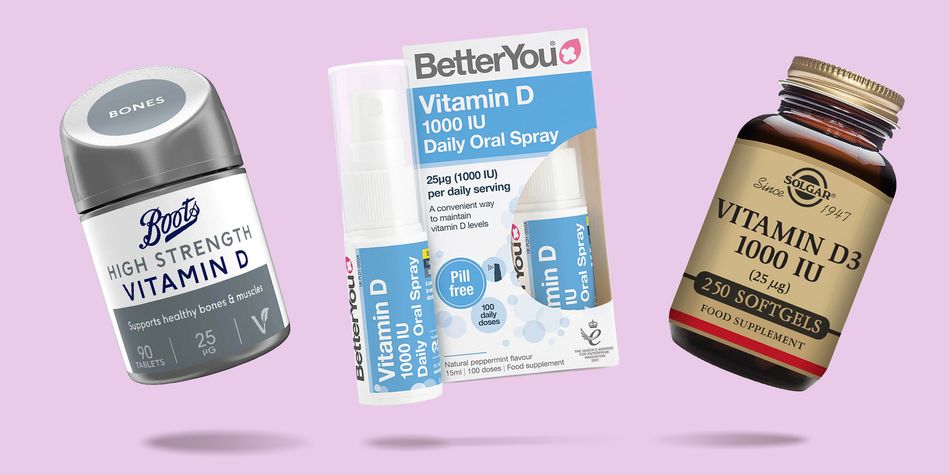
Vitamin D is also important as it helps you absorb calcium. In the UK winter months we don't get enough vitamin D from sunshine (the best source) so it's recommended to take a supplement containing 10 micrograms of vitamin D between October and March.
Outside of these months you don't need to take a supplement if you regularly go outside and expose your skin to the sun, but if you're housebound, tend to be covered up, or have darker skin then it's advisable to take a supplement all year round.
Recent research also increasingly highlights the importance of Vitamin K2. While Vitamin D helps you absorb calcium, K2 helps direct it into your bones and teeth rather than letting it settle in your arteries. You can generally get enough from your diet: you'll find K2 in leafy greens, fermented foods and mature cheeses.
Note: If you are considering taking high-dose calcium supplements, always discuss this with your GP first, as research suggests getting your calcium primarily from food is better for heart health.
The best vitamin D supplements, reviewed by nutrition experts

Being active is really important for bone and muscle health. It's also important for your balance, which is increasingly considered a key marker of healthy ageing.
Aim for at least 150 minutes of moderate-intensity activity a week – this is brisk walking or anything that makes your heart beat faster, makes you warmer and slightly out of breath.
Alongside this, for bone health, it's important to do weight-bearing exercise (where your legs support your weight) – ideally two days a week. Walking, dancing, tennis and weight-lifting all count. Jogging and running do too, but avoid overdoing these if you have joint issues.
Good all-rounders for your health include resistance training (for example, using cheap and readily available resistance bands to do exercises at home), and racquet sports, such as tennis.
A 2018 rapid review by the Centre for Ageing Better assessed different types of exercise and the evidence for their benefits. Below you can see how they compare based on whether evidence shows a strong effect on muscle function, bone health and balance:
| Improved muscle function | Improved bone health | Improved balance | |
| Running | ✔ | ✔✔ | ✔ |
| Resistance training (weights, bands or similar) | ✔✔✔ | ✔✔✔ | ✔✔ |
| Racquet sports | ✔✔ | ✔✔✔ | ✔✔✔ |
| Yoga, tai chi | ✔ | ✔ | ✔ |
| Dancing | ✔ | ✔✔ | ✔ |
| Walking | ✔ | ✔ | - |
| Cycling | ✔ | ✔ | ✔ |
✔ = low effect, ✔✔ = medium effect, ✔✔✔ = strong effect, dash (-) = no effect. Source: Public Health England/Centre for Ageing Better
It's never too late to start. If you're new to exercise, take a look at our advice on setting up a home gym. And it's important to remember that any exercise can have beneficial effects, so don't be put off and start small with what is achievable for you.
Keep your heart healthy as you age – how to lower blood pressure and cholesterol
Carrying extra weight puts excess strain on your joints, while being underweight can increase your risk of osteoporosis.
If you're overweight, evidence shows that losing just 10% of your body weight benefits joint health.
It can be difficult to stick to a weight management plan, but quick-fix diets are rarely the answer. Instead, aim for small habit changes that are easier to sustain over time and with your lifestyle.
One of the most exciting areas of recent research is the link between your microbiome (the bacteria in your gut) and joint health. A healthy, diverse gut can help regulate systemic inflammation, which is often the culprit behind joint pain and stiffness.
Aim for 30g of fibre a day from varied plant sources. Fibre feeds the beneficial bacteria that produce anti-inflammatory compounds.
Fermented foods like live yoghurt, kefir, sauerkraut, or kimchi can also support a more diverse microbiome.
Best probiotic supplements - independent reviews from the experts

Evidence shows that high levels of certain types of Vitamin A over a long period can impact your bones by stimulating bone-resorbing cells, leaving you at higher risk of fractures in later life.
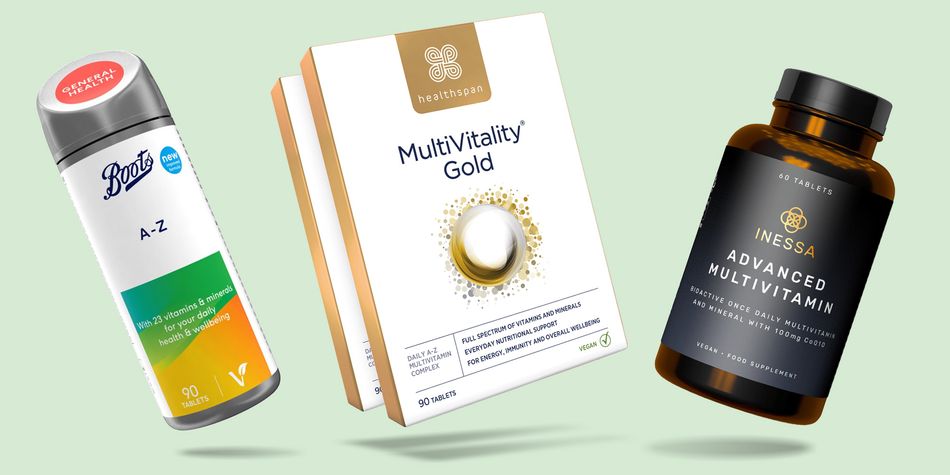
Many multivitamins and cod liver oil supplements contain high doses of pre-formed vitamin A. If you take these daily and also eat liver or liver pâté once a week, you may be exceeding safe limits. And because Vitamin A is fat-soluble, high levels can build up in your body.
Don’t worry too much about vegetables like carrots, sweet potatoes, or spinach. These contain beta-carotene or provitamin A carotenoids. Unlike pre-formed Vitamin A found in animal products and supplements, beta-carotene is not linked to bone thinning.
The NHS advises against taking Vitamin A supplements if you eat liver or liver products more than once a week.
We look at the evidence behind popular supplements to give you the lowdown on the supplements you do and don't need

The reality: While collagen is a major component of cartilage, swallowing a pill doesn't mean it goes straight to your knees. It is true that recently there has been a fair amount of evidence indicating that collagen supplements can help ease joint pain for those with osteoarthritis and arthritis and maintain bone density, but any effects may be small. Find out more in our full guide to collagen supplements
The reality: Clinical trials for these popular supplements have yielded, at best, mixed results. GPs no longer prescribe them on the NHS because there's no strong evidence of their effectiveness as a treatment.
The Reality: There is no scientific evidence that tomatoes, potatoes, aubergines, or peppers cause joint inflammation. In fact, these vegetables are rich in antioxidants that protect your cells.
The Reality: This is a classic old wives' tale. That pop is just gas bubbles (synovial fluid) bursting. Multiple studies have shown no link between knuckle cracking and the development of arthritis.
Make the right choice with recommendations you can trust, backed by expert testing.
Explore health recommendationsWhile there are, alas, no miracle cures, making sure you include enough Omega-3 fatty acids in your diet can be beneficial.
The fats found in oily fish (mackerel, sardines, salmon) are essential nutrients, and in recent years are increasingly being studied for their anti-inflammatory effect that may help to reduce joint stiffness, especially in some people with arthritis. There is some evidence they have a modest benefits for people with rheumatoid arthritis, reports Arthritis UK. However, there is not yet enough evidence for this to be an approved health claim for omega 3 supplements.
Goal: Aim for two portions a week. See our guide to the best tinned fish for tips on the best omega-packed options.
Vegan alternative: If you don't eat fish, look for an algal oil supplement (derived from algae), which provides the same active EPA and DHA fats that your body needs, unlike flaxseed, which is less efficiently converted. See our omega 3 supplement reviews for our experts' top picks.