By clicking a retailer link you consent to third-party cookies that track your onward journey. This enables W? to receive an affiliate commission if you make a purchase, which supports our mission to be the UK's consumer champion.
7 ways to boost your car's value (plus find out what it's really worth)

With over a decade of experience at Which?, Tom covers everything from tech advice to money-saving tips, and highlights the best deals during major sales events.

When it’s time to move on from your current car, you’ll want to make sure you’re getting the best possible return. To maximise your sale price, it’s worth taking the time to carry out a few checks and present it in its best possible light.
The good news is that not all of our tips require big spending. For example, simply gathering your paperwork or taking professional-looking photos with your phone can make a big difference to how your car is perceived.
Below, we share expert advice from the Which? Cars team, plus suggestions from a Which? Trusted Trader with experience in car servicing and repairs.
1. Address dashboard warning lights
At a glance: Identify the warning symbols you're seeing. Some can be dealt with yourself, while others will need professional attention.

Don’t try to sell your car without first checking for and addressing any dashboard warning lights that stay on a few seconds after the car starts. If a potential buyer spots this when viewing your car, it’s likely to affect their confidence and reduce what they’re willing to pay – so it’s best to address issues where possible and be upfront about anything that hasn’t been fixed.
While some issues may require professional attention, others are easy to fix yourself. For example, low tyre pressure or routine maintenance reminders (such as an oil change alert) are often simple to sort out. However, more serious warnings, such as low oil pressure, should be checked by a professional immediately.
More severe issues may trigger a brake warning light (this could be caused by worn brake pads or a faulty sensor) or an ABS light. While you’ll still be able to brake, the risk of skidding increases, particularly at high speeds. Both of these problems should be checked by a professional as soon as possible.
Make sure you keep receipts for any recent work, as buyers may ask to see proof of maintenance.
For more advice on dealing with faults, check our guide on car dashboard warning icons you need to know about.
2. Gather your paperwork
At a glance: Documents such as the V5C, MOT certificates and service history help build buyer confidence.

Pulling together all the paperwork related to your vehicle will make the sales process easier and help make your car more attractive to buyers.
As well as drawing on the expertise of our Cars team, we also spoke to Ken Young, company director at Worle Autos Limited, who shared his insights on getting the best value when selling your car. Ken told us: 'You need as much history as possible of any servicing or repairs.'
In your pack, make sure you have the V5C (logbook), MOT certificates, service book and manual. You can get a free replacement MOT certificate on the GOV.UK website if you’ve lost or damaged the original – you'll just need to provide the vehicle registration and the 11-digit number from the vehicle logbook.
Invoices and receipts for significant work or parts will also be useful, along with any documents proving that outstanding loans have been cleared and that the car is yours to sell.
Once you've got everything together, mention it all in the car's listing – buyers appreciate this level of detail.
If you notice that any key documents are missing, contact your garage, dealer or the DVLA to request replacements.
How to sell a car: from online-buying services to private sales, we explain the pros and cons.
3. Check for outstanding recalls
At a glance: You can check whether your vehicle is affected using the government’s MOT history service.

If your car has an active safety recall, you're expected to inform prospective buyers. Given that most recalls are typically handled free of charge by the manufacturer, it makes sense to check for recalls before advertising your car for sale.
The recall system is also far from perfect, so you might not even be aware that there's an active recall on your car. Using the government’s MOT history service, you can look up a car’s history and check for any unresolved recalls before you sell.
Be aware that a car may still show a recall as outstanding on official records even if the issue has been fixed by a non-manufacturer garage, as only the manufacturer can officially verify and remove a recall warning.
In a previous Which? investigation, we discovered hundreds of online car listings for recalled vehicles with known safety defects (see also: our investigation).
To check any car for recalls, follow these steps:
- Type the car's registration into the government's MOT history tool.
- Scroll down to the Check for vehicle recalls heading.
- Select Show to reveal the details. If everything is in order, you'll see a message that says No recalls found.
If you're listing the car online yourself, consider adding a line such as ‘no outstanding recalls' to appear more thorough and transparent.
Best cars – we've independently tested hundreds of models and rounded up the best cars by class, from the latest electric vehicles to the best practical family cars.
4. Fix dents and scratches
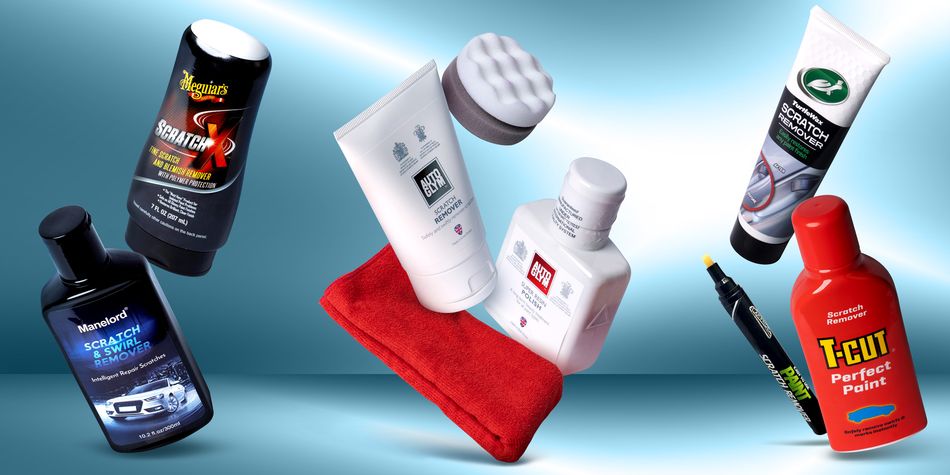
At a glance: Small cosmetic fixes can have a big visual impact, and our car scratch remover reviews can help you bring back your car’s showroom shine.

Even minor dents and scratches can deter potential buyers when they inspect your car in person or browse photos online. Your car may be mechanically sound, but buyers might assume it hasn’t been properly maintained.
Think about the areas that catch the light. Smaller problems can be dealt with using scratch repair kits or touch-up paint. To find the best, we’ve tested a selection of car scratch removers from big-name brands including Autoglym, Meguiar's and TurtleWax. The best can remove shallow scratches with a single application, while the worst can see scratches reappear after just one wash with car shampoo.
Don’t overlook your alloys, as scuffed or kerbed wheels can also affect your car’s value. Whether it’s worth repairing them depends on the car – buyers of nearly new cars may expect pristine alloys, while those considering older vehicles are more likely to accept minor scuffs.
For deeper damage, it's worth contacting a repair service – you can explore Which? Trusted Traders to find a professional in your local area. Just remember, there’s little point in overspending on repairs that won’t make a meaningful difference to your vehicle’s value.
Of the car scratch removers we've tested, these are the best overall:
| Product | Which? test score | Scratch removal | Durability |
|---|---|---|---|
Sign up to reveal Get instant access to this and all our scores and recommendations Unlock tableGet Digital access £9.99 per month, cancel at any time. Already a member? | 92% | ||
| 86% | |||
| 84% |
Sign up to reveal
Get instant access to this and all our scores and recommendations
Unlock tableGet Digital access £9.99 per month, cancel at any time.
Already a member?
Log in
You can join Which? to see our guide to the best car scratch removers.
5. Check for worn tyres
At a glance: Tyres are critical to your car’s performance and safety, and buyers will appreciate evidence that the car has been well maintained.

Whether online or in person, potential buyers will likely be put off if the tyres are in bad shape (as this means extra cost for them and may suggest the car hasn’t been well maintained).
With this in mind, it’s worth checking your tyre tread before advertising your car for sale. In the UK, the legal minimum depth is 1.6mm, but many experts recommend replacing tyres at around 3mm for optimum grip.
To check the tread yourself, you can use the '20p coin test'. Insert a 20p coin into the tread grooves – if the outer band of the coin is hidden, your tyres are above the legal limit. It’s also important to check for cracks, bulges or other signs of wear that could affect safety.
If you’ve recently had new tyres fitted, it’s worth mentioning this in your listing description when advertising your car.
For more details, see our guide: which car tyres should I buy?
6. Deep clean the interior
At a glance: Declutter your car, then clean it thoroughly with a Which? Best Buy vacuum and car-specific sprays.

Cleaning your car’s interior isn’t the most exciting job, but it’s worth doing if you want to catch a buyer’s eye.
Ken Young at Worle Autos Limited recommends a professional valet as an option, but you can also tackle it yourself and potentially save some money. He adds: 'Professional cleaning and detailing can add several hundred pounds to a car’s value.'
Start by decluttering and don't forget high-contact areas, including the dashboard, gear stick and steering wheel.
- Deal with dust traps – see if you've got any small, clean paintbrushes around. Just like a dusting brush attachment, paint brushes have thin bristles that are great for getting into gaps that a cloth or a crevice nozzle might not reach.
- Freshen up your floor mats – work either outside or in the boot to avoid transferring dirt back into the car. Try using an upholstery attachment on your vacuum cleaner.
- Clean the seats several times over – recline them first, as most of the debris will be trapped in the crease between the seat and the back rest. Change the direction of your vacuuming frequently to coax out as much dirt as possible.
- Avoid using harsh chemicals on your car interior – some strong cleaning products could potentially damage upholstery, plastic or leather seats. Check the manufacturer's instructions and make sure you're using a car-specific cleaner.
- Don't overload your vacuum cleaner – clean out the dust container so the vac can do its job effectively.
If you're looking to upgrade your car cleaning kit, see our advice on the best vacuum cleaners and best handheld vacuum cleaners, or explore our tips on cleaning the inside of your car.
7. Get good photos
At a glance: Professional-looking snaps will help your car stand out on a page crowded with alternatives.

A strong set of photos can create a good first impression and help you justify your asking price.
Ken says: 'When you're taking pictures for an online listing, choose a clean, uncluttered background. Take high-quality shots of both the interior and exterior, including close-ups of the wheel condition, and don’t forget a photo of the mileage counter.'
Take your pictures in bright daylight. If the image looks a little dark on your phone screen, you can manually adjust the brightness to bring out more detail.
While your phone's camera should be adequate, you'll usually get better photos from a dedicated camera. See our guide to the best compact cameras for some recommendations.
Expert opinion: how to quickly value your car

Will Stapley, Which? cars editor
'While it's tempting to set a high asking price for your car, doing so could lead to a long (and possibly fruitless) wait for potential buyers to emerge.
'If you want a rough idea of what it's worth, online car-buying services will give you a free valuation within seconds. Just be aware that the quote may change depending on the condition of your car.
'It takes a little longer, but another way to value your car is by searching for similar models on classified sites such as Autotrader. Use the filters to narrow the search to match your car as closely as possible (age, mileage, spec, etc). Bear in mind the prices you see are what people want for their car, and actual sale prices might be lower, but it at least gives you an idea.
'If you’re selling an older car, be sure to check its maintenance schedule (contact the manufacturer if you can’t find this). Along with the service intervals, this also details when specific items should be replaced.
'While it's a pain to fork out money on a car that you're looking to sell, it also shows that the car has been well maintained – and that’s ultimately what people are willing to pay more for.'