Need car insurance?
Use our customer scores to help you choose a great deal at MoneySuperMarket.
Compare dealsWhich? earns commission to fund its not-for-profit mission if you buy a product
By clicking a retailer link you consent to third-party cookies that track your onward journey. This enables W? to receive an affiliate commission if you make a purchase, which supports our mission to be the UK's consumer champion.

From decoding money topics to curating gift guides, Ravi’s writing helps readers save money - and pick the perfect present.

As insurance premiums rise, more drivers are cutting back on optional extras.
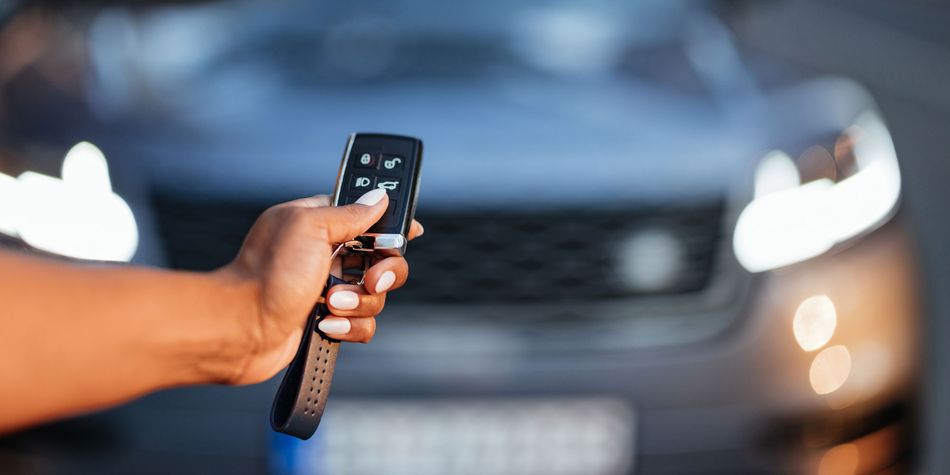
But research by Close Brothers Motor Finance suggests this could leave gaps in cover, with around one in six UK drivers lacking protection for tyre damage or punctures, and only around three in 10 having key cover.
Here, Which? explains which add-ons are worth considering, where you might already be covered, and how to cut costs without leaving yourself exposed.
Use our customer scores to help you choose a great deal at MoneySuperMarket.
Compare dealsWhich? earns commission to fund its not-for-profit mission if you buy a product
Drivers are trimming back the extras on their car insurance to keep costs down, according to research by Close Brothers Motor Finance, based on a survey of UK motorists.
While around three quarters still choose fully comprehensive cover, many are skipping add-ons that cover everyday mishaps.
Fewer than half have personal accident cover, around four in 10 have legal expenses cover, and nearly one in five say they’ve reduced or cancelled their breakdown cover to save money.
Some car insurance add-ons can be useful, but whether they're worth paying for will depend on how you use your car and what cover you already have.
Find out more: Car insurance: add-ons, fees and charges
Before paying for any extras, check whether you already have similar cover elsewhere. For example, breakdown cover is sometimes included with packaged bank accounts, meaning you could end up paying twice for the same protection.
Other add-ons may be easier to do without, depending on your circumstances.
Get a car insurance quote with MoneySuperMarket.
With around one in five drivers saying they've reduced or cancelled breakdown cover to save money, there are other ways to lower your premium without cutting cover you might need:
Research by GoCompare suggests that buying around 26 days in advance can be cheapest, while leaving it until the last minute can push prices up significantly.
Insurers don’t always reward loyalty, so it’s worth comparing quotes across sites such as Confused.com, GoCompare, Compare the Market and MoneySupermarket, as well as checking insurers directly. Even your current provider may offer a better deal through a different channel.
Paying in instalments often means taking out a form of credit, with interest rates sometimes reaching 30% or more. Paying annually can work out much cheaper overall.
Increasing your excess can lower your premium, but only do this if you could afford to pay it in the event of a claim.
Adding an experienced driver to your policy can sometimes bring down the cost, as insurers may view the overall risk differently. Just make sure the main driver is declared correctly.
A much lower price isn't always the bargain it first appears. It could come with a higher excess, lower levels of cover, or assumptions about your circumstances that are wrong.