By clicking a retailer link you consent to third-party cookies that track your onward journey. This enables W? to receive an affiliate commission if you make a purchase, which supports our mission to be the UK's consumer champion.
10 ways to pollen-proof your home
If you suffer from hay fever, these simple steps will help you keep pollen out of your home – plus, popular products that can help
Yasmine specialises in shopping advice and finding the best deals during sales events like Black Friday, helping readers get great value for their money.
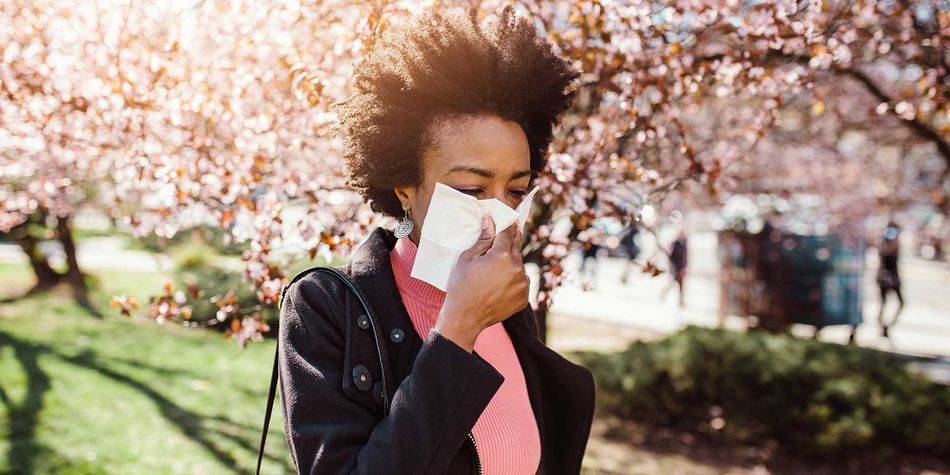
Spring and summer bring with them the promise of warmer days spent outdoors, but for the 26% of UK adults¹ suffering from hay fever, the reality is often far less idyllic.
Coughing, sneezing, watery eyes, a stuffy nose and even sleepless nights can really spoil the warmer weather, but there are things you can do to pollen-proof your home.
Read on for tips to help you breathe a little easier, from vacuuming more frequently to keeping your windows closed.
1. Vacuum twice a week
Pollen settles on carpets and rugs, so vacuuming can make a big difference in relieving symptoms of pollen or dust-related allergies. It's generally advised to vacuum your floors and soft furnishings at least once a week – ideally twice.
Allergy UK recommends using a high-filtration vacuum cleaner, especially one with a HEPA filter. But not all vacuum cleaners are equally effective at keeping the allergens locked inside the filters – that's why we assess the allergen retention of all the vacuum cleaners we test.
We've also found that bagged vacuum cleaners are usually less messy to empty than bagless vacs, since you're not directly exposed to dust during the process. If you are using a bagless vacuum, you may be better off emptying it into a bin outside the house.
If your allergies are severe or usually triggered by vacuuming, consider wearing an N95 filter mask while cleaning. You could also consider swapping your carpets for wooden floors.
Vacuum filters trap dirt and allergens like pollen, preventing it from being blasted back into the air. But if a vacuum has a poor filter, you might notice more sneezing or a runny nose during or after vacuuming. We test allergen retention in our vacuum reviews and have found plenty of quality models suited to hay fever sufferers.
Humairaa HabibWhich? vacuum expert
Popular with Which? members: Miele Guard L1 Allergy
We like: Long cable
We don't like: Bags cost extra
The Miele Guard L1 Allergy is a bagged vacuum cleaner that's proved popular* with Which? members. It has a HEPA AirClean filter to help keep nasties locked inside the 2.9-litre dust container.
It includes a universal floor head, dusting brush and a combi upholstery and crevice tool.
To avoid spreading pollen deposits all over your home, wipe your shoes on the doormat as you enter and then take them off before you go inside.
Pollen can also cling to your hair and clothing, especially when the pollen count is high, so it's a good idea to shower and change your clothes as soon as you get home.
Putting the clothes in a closed laundry bin, rather than an open one – and ideally not in the bedroom – is preferable. If your allergies are severe, allergy charities suggest putting your dirty clothes into a plastic bag until they're ready to be washed to prevent any pollen escaping into the air.
Be a smarter consumer
free newsletter
Choose well, buy better and save money with the Weekly Scoop.
Unsubscribe whenever you want. Your data will be processed in accordance with our Privacy notice.
3. Consider an air purifier
Air purifiers can help improve air quality by trapping airborne particles and circulating the clean air back out.
Good air purifiers will filter out both dust and pollen particles, and so may help alleviate symptoms of hay fever and other allergies while you're indoors.
One air purifier won't cover the entire house, so consider which rooms are the most important to use one in (for example, the bedroom).
You should also choose the correct size for the space you plan to use it in.
If you struggle with pollen allergies, an air purifier can make a noticeable difference by pulling in air and trapping fine particles before you breathe them in. Multi-layer filtration systems, including HEPA filters, are designed to capture pollen as well as dust and other irritants, helping to keep indoor air cleaner and more comfortable.
Patrick GallagherWhich? senior researcher
Popular with Which? members: Philips PureProtect 3200 AC3220/10
We like: Machine and app controls
We don't like: Timer only available in app
The Philips PureProtect 3200 AC3220/10 is an air purifier with a double fan design.
It has night and auto modes, an adjoining smart app, a timer, two fan speeds and a child lock.
The best air purifiers will do a great job, while the worst are noisy, difficult to use and terrible at removing pollen.
4. Wash bedding weekly
Pollen can stick to bedding, triggering your allergies when you're trying to sleep, so you should wash it weekly. It's best not to dry bedding outside (more on this below), especially on high pollen days.
Washing your bedding at 60°C or hotter can help keep dust and pollen at bay. Many modern machines also offer allergy care cycles.
If you have kids, wash their soft toys in fragrance-free washing powder suitable for sensitive skin at 60°C or hotter too. Dust mites thrive in warmer conditions, so you could also try putting teddies in the freezer overnight.
Popular with Which? members: Ariel Original Washing Powder
We like: 140 washes per pack
We don't like: More expensive than others
If you’re looking for an independently tested laundry detergent, Ariel Original Washing Powder is a popular* choice with Which? members. If you prefer liquids, capsules or another brand, take a look at the best and worst laundry detergents.
A good washing machine will offer a brilliant cleaning performance. Discover the best washing machines from our rigorous lab tests.
5. Dry washing indoors
Spring and summer months are ideal for drying our washing outside, but you should probably steer clear if you're an allergy sufferer.
When the pollen count is high, tiny pollen particles can settle on your laundry, triggering hay fever symptoms when you bring the dry laundry inside, wear the clothes or sleep in the bed sheets.
Luckily, there are plenty of alternative options for drying your clothes indoors:
Bear in mind that drying your clothes indoors without adequate ventilation can cause issues with condensation and mould. One of our best dehumidifiers can help with this though.
We’ve tested some of the most popular heated airers. The right one makes a real difference, with some models drying laundry in nearly half the time of others. Using a heated airer also helps prevent that lingering damp smell, so your clothes are fresher and ready to put away or wear sooner.
Hardeep ChannaWhich? researcher
Popular with Which? members: Black & Decker X Frame heated airer
We like: X-shaped layout prevents clothes stacking on top of one another
We don't like: Others can fit more clothes
The Black & Decker X Frame has 11.5 metres of available drying space and should be able to fit at least 24 t-shirts.
Its 'x' shape should prevent clothes from stacking on top of one another, which is a common issue with taller tower-style airers.
Traditional bedding can trap allergens like pollen, dust mites and pet dander, so you could try a pillow that's specifically designed to help ease allergies.
There are two types: anti-allergy and hypoallergenic pillows.
Anti-allergy pillows: Use fillings treated specifically with chemicals to combat dust mites and other allergens.
Hypoallergenic pillows: Don’t use fillings made of a known potential allergen, such as down or latex.
You’ll need to make sure the pillow can be easily cleaned or machine-washed to help remove allergens.
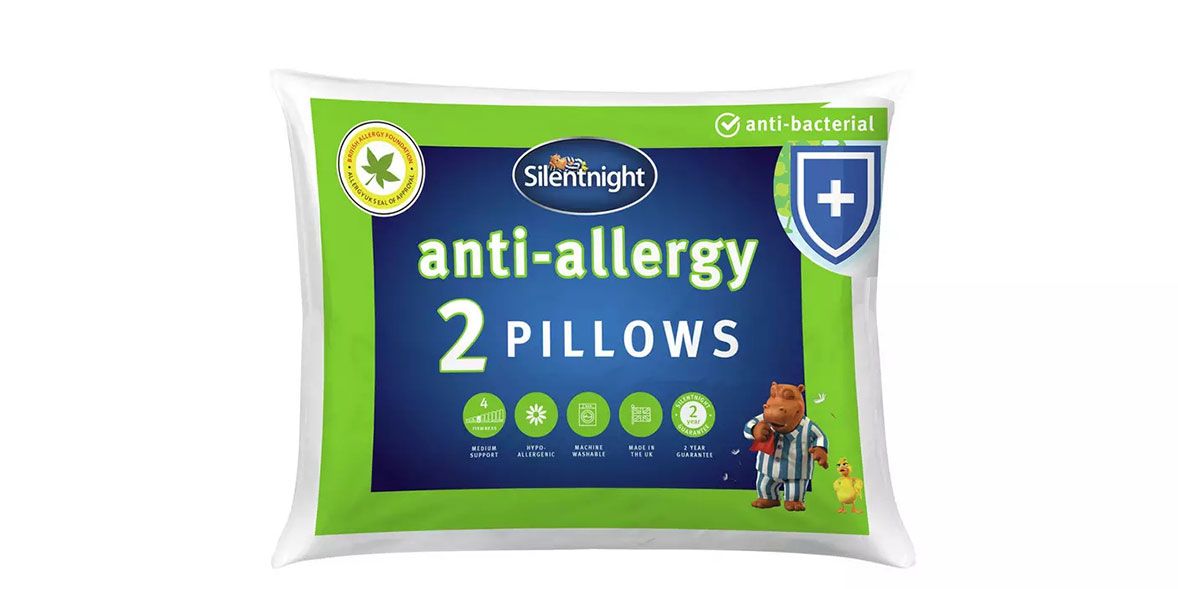
Popular with Which? members: Silentnight Anti-Allergy Medium Pillow
We like: Pack of two
Watch out for: Tumble-dry on low heat
This pack of two anti-allergy pillows from Silentnight is among the cheapest options for allergy sufferers, which makes them a popular* choice.
They're made using Aegis as LUROL AM-7 fibres, which is treated hollowfibre that should protect the pillows from dust mites and bacteria.
They may be our best friends, but if you're suffering from allergies, your pets can make them worse.
Pollen can cling to their fur when they're outside, so it's a good idea to give them regular baths to wash it off and to vacuum your home regularly. Alternatively, brush your cat's coat when it comes in to help prevent them spreading allergens around the house.
To help contain the spread of airborne allergens in pet hair, try to keep them off your sofas or chairs, and keep them out of your bedroom – or at least off the bed – at night.
Popular with Which? members: Samsung Jet 95 Pro VS20C9547TB
We like: Includes a pet tool
We don't like: Expensive
If you’re shopping for a new vacuum cleaner designed specifically for pet hair, the Samsung Jet 95 Pro VS20C9547TB includes a mini turbo brush for clearing up pet hair, a crevice nozzle, an angled connector and a combination dusting brush and upholstery tool.
It’s a cordless handstick vacuum with a standard capacity of 0.9 litres, and has proved popular* with Which? members.
Pet vacs are often more expensive and not always better at sucking up fluff than non-pet models – we've tested them to find the best vacuums for pet hair.
8. Consider using a steam cleaner
Steam cleaners are designed to deep clean your carpets, upholstery and even your mattress. The high temperature of the steam can help eliminate dust mites, which can trigger symptoms similar to hay fever, as well as pollen particles.
Steam cleaners are also a good way to clean curtains, cushions and upholstery that won't go in the washing machine.
A steam cleaner heats water to produce a powerful stream of steam that can tackle stubborn stains and help remove germs. It is a versatile tool, suitable for cleaning everything from floors and worktops to glass. A good steam cleaner offers a simple way to freshen up surfaces without relying on lots of different cleaning products.
Hardeep ChannaWhich? researcher
Popular with Which? members: Karcher SC3 EasyFix
We like: Good value
We don't like: No handheld mode
A bestselling steam cleaner among Which? members is the Karcher SC3 EasyFix. You can use it to clean or refresh hard floors, tabletops, carpets and more.
It has a one-litre removable tank and includes a brush nozzle, descaler cartridge, floor nozzle, extension tubes and hand tool.
Versatile steam cleaners can be used on both hard surfaces and carpets. Check out the best steam cleaners.
9. Declutter frequently
Don't let clutter build up, as this is where dust and pollen can settle. Aim to declutter your spaces every two weeks.
This is especially important in your bedroom, as allergy triggers can disrupt your sleep. It may sound counterintuitive for a room that's supposed to be cosy, but allergy sufferers should keep upholstery, curtains and clutter to a minimum in this room.
There are lots of products designed to help you keep things neat and tidy, such as cube storage, floating shelves or wardrobe organisers, like these bestselling products from Amazon.
Prevention is better than cure, so you'd be wise to keep windows and doors closed during the day to help keep pollen out in the first place.
This obviously isn't ideal when it's hot outside, but you could consider getting a portable air conditioner to keep the temperature in your home comfortable.
An air conditioner can be a real help during pollen season, as it keeps your home cool without needing to open windows. By recirculating and cooling the air already inside, it reduces the amount of pollen entering your space. This can help maintain a more comfortable indoor environment and limit exposure when outdoor pollen levels are high.
Patrick GallagherWhich? senior researcher
Popular with Which? members: Pro Breeze PB-AC01 Smart PAC
We like: Control the unit with your smartphone, and Alexa or Google Home
We don't like: Taller than others
The Pro Breeze PB-AC01 Smart PAC has two fan speeds and comes with a remote control, a digital display, wheels, and a 24-hour timer (one-hour steps).
It also works as a dehumidifier and has smartphone connectivity.
A good air conditioner can cool a room quickly, without making a racket or using lots of energy. Discover the best air conditioners.
When is allergy season?
According to Gov.uk, allergy season in the UK has three distinct but overlapping phases:
March until May – tree pollen
May until July – grass pollen
June to Autumn – weed pollen
The majority of hay fever sufferers are allergic to grass pollen, so their symptoms will likely be more prominent in the summer months.
However, research suggests that with increasing temperatures, some phases of pollen seasons may start even earlier, so some people with allergies could begin to experience hay fever symptoms as early as January/February.
Allergy season also varies depending on where you live. There’s a later start and shorter season in the north of the UK, where generally there is less pollen. Plus, according to the Met Office, urban areas have lower pollen counts than the countryside, and inland areas have higher counts than on the coast.
What are the symptoms of a pollen allergy?
Hay fever symptoms can include sneezing, a runny or blocked nose, itchy eyes, mouth or throat, and coughing. Some people may also suffer from fatigue, swollen eyes and headaches.
Amena Warner, Head of Clinical Services at Allergy UK, warns that poorly managed hay fever can lead to complications such as sinus infections or even the development of asthma.
She says: 'It's important to not dismiss it and make sure you get a diagnosis if symptoms are especially difficult to manage.
'Hay fever can have a huge impact on quality of life, affecting sleep, mental wellbeing and, for students taking exams, it can even have an impact on how well you perform.'
How can you manage hay fever symptoms?
Amena from Allergy UK advises hay fever sufferers to take a non-sedating daily antihistamine from a few weeks before the onset of hay fever season to help manage symptoms.
She adds that there are a number of measures that can be implemented to help reduce exposure to pollen in the first place. These include:
wearing a mask
wearing wraparound sunglasses and a hat with a peak or large brim
limiting exposure by staying indoors during peak pollen times (typically in the early morning and late afternoon)
keeping windows closed
showering and changing clothes after being outdoors to remove pollen particles.
How can you tell the difference between a cold and a pollen allergy?
The Allergy UK expert adds that colds don't usually cause itchy eyes. Symptoms of a pollen allergy will last as long as the pollen count is high, usually in spring or summer.
Colds, on the other hand, will often clear up after seven to 10 days and are most likely to occur during the winter.
¹ Hay fever is the most common form of non-infectious rhinitis, affecting between 10-15% of children and 26% of adults in the UK. Source: business.itn.co.uk
*Popular refers to the number of visits the product review has received on which.co.uk in the past three months. But 'popular' doesn't mean good, so always check our reviews before buying.