By clicking a retailer link you consent to third-party cookies that track your onward journey. This enables W? to receive an affiliate commission if you make a purchase, which supports our mission to be the UK's consumer champion.
6 pricey products that could save you money long term

With over a decade of experience at Which?, Tom covers everything from tech advice to money-saving tips, and highlights the best deals during major sales events.

Spending less may seem like a clever move when buying a new kitchen appliance or upgrading your tech, but our tests show zcheaper isn’t always better.
In some cases, paying more upfront gives you better value over time. Our rigorous lab tests highlight models that combine strong performance with lower running costs, from printers with low ink costs to smartphones with long security support and efficient EVs.
Below, we reveal some Which?-tested products that are genuinely worth the investment. For full access to our independent reviews, you'll need to log in or join Which?.
1. Heat pump tumble dryers

While heat pump tumble dryers can initially be more expensive than vented or condenser models, they are by far the most energy efficient of all the tumble dryers we test.
This shift is also reflected in government policy, with tighter energy-efficiency rules expected to push less-efficient tumble dryers off the market over time (read more about the 'tumble dryer ban').
And despite the higher upfront cost, buying a heat pump model could save you a substantial amount on your bills in the long run.
The vented dryers we've tested will add around £131 to your yearly bills – that's more than double the £51 for the heat pump dryers we've reviewed.
To decide which models are Which? Best Buys, we put them through a series of tough tests. As well as checking how easy they are to use, how well they dry and how noisy they are, we also measure energy use to help you find the cheapest ones to run.
Our energy-use rating is based on how much energy each dryer uses on two programs: cottons cupboard dry (70% load) and synthetics/easy-care cupboard dry (program capacity). This helps reflect real-world running costs.
Below are some of the best-performing heat pump tumble dryers from our tests:
| Product | Which? test score | Drying time | Energy efficiency |
|---|---|---|---|
Sign up to reveal Get instant access to this and all our scores and recommendations Unlock tableGet Digital access £9.99 per month, cancel at any time. Already a member? | 82% | ||
| 81% | |||
| 81% |
Sign up to reveal
Get instant access to this and all our scores and recommendations
Unlock tableGet Digital access £9.99 per month, cancel at any time.
Already a member?
Log in
You can join Which? to unlock the table above and our guide to the best heat pump tumble dryers.

'Heat pump tumble dryers work by heating air efficiently and reusing this warm air as it leaves the drum, meaning they can operate at cooler temperatures than other types.
'Although this does mean a trade-off of longer drying times, the energy-saving results are more than worth the wait – especially during the chillier months when you might find yourself using your dryer more often than not. They're generally much better at drying clothes evenly, too, which isn't to be sniffed at.'
Rebecca Jakeman, Which? heat pump tumble dryers expert
2. Coffee machines

Paying a premium for a so-called 'high-end' coffee machine doesn't always guarantee a flawless cup first thing in the morning. Our tests highlight budget-friendly Best Buys and Great Value alternatives that produce excellent results, so you can enjoy great coffee without overspending.
But one thing to keep in mind is the ongoing cost of your daily fix. While capsule machines are often cheaper upfront, pods cost more per cup than ground coffee or beans, making them more expensive in the long run.
Some of our Best Buy bean-to-cup and espresso machines cost hundreds of pounds but can make delicious coffee for a fraction of the price of pods. With the price of branded instant coffee also rising, it’s worth factoring in these ongoing savings if you enjoy a proper brew.
Below are some of the best-performing bean-to-cup coffee machines from our tests:
| Product | Which? test score | Spec | Spec |
|---|---|---|---|
Sign up to reveal Get instant access to this and all our scores and recommendations Unlock tableGet Digital access £9.99 per month, cancel at any time. Already a member? | 83% | ||
| 81% | |||
| 80% |
Sign up to reveal
Get instant access to this and all our scores and recommendations
Unlock tableGet Digital access £9.99 per month, cancel at any time.
Already a member?
Log in
You can join Which? to unlock the table above and our guide to the best bean-to-cup coffee machines.

'Our research has shown just how much your choice of coffee machine can impact your long-term costs. Across our Best Buys, we've found that pod machines will ultimately cost you the most to run, followed by bean-to-cup machines, with espresso machines coming in the cheapest.
'For every model we test, we assess espresso and cappuccino quality, ease of use, noise levels and personalisation – for example, whether the machine lets you tweak settings to make drinks that suit your preferences.
'Best Buys do well across the board. And if you're after a coffee machine but don't want to pay too much, our Great Value recommendations are for you.'
Brianna Watson, Which? coffee machines expert
3. Tank printers

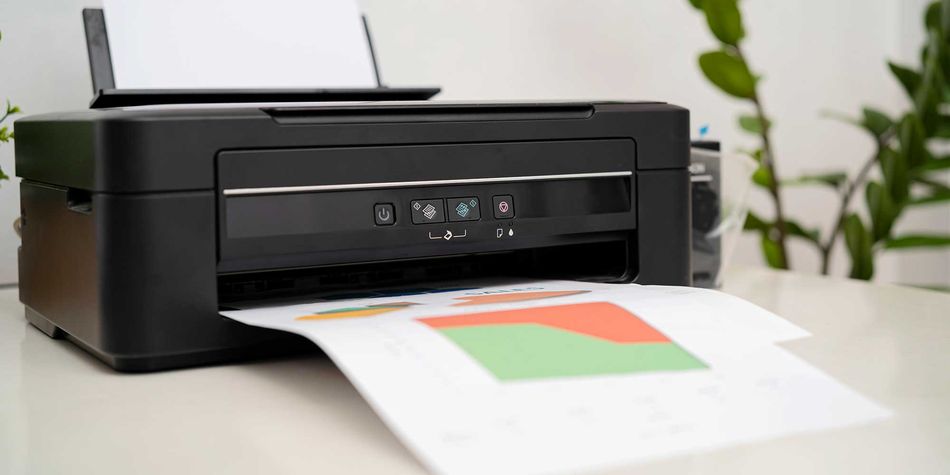
Cartridge inkjet printers are the most common type on the market, but their running costs can be eye-wateringly expensive. For some models, you’d spend more on replacement ink in just three months than you’d spend buying the printer itself.
Our testing has found a cartridge printer that costs around £130 to buy – but over 12 months (based on average use), you’d have to shell out an astonishing £756.48 for replacement ink. And with the average printer lasting around 10 years, those costs can really add up with regular use.
If you print regularly at home, buying a tank printer can save you money in the long run. While the initial outlay is often higher, the ink costs are far lower – a typical tank printer costs barely £2 in ink to run per year. We calculate that an average tank printer will start saving you money after just two years of ownership compared with a cartridge printer, so it doesn’t take long to offset the higher upfront cost through ink savings.
Cartridge inkjets can have high hidden ink costs, as ink is used not only for printing but also for automatic cleaning. That’s why we run a unique test over several weeks to account for this, so you’ll know which printers are cheapest to run at home and won’t get caught out.
Below are some of the best-performing refillable tank printers from our tests:
| Product | Which? test score | Print quality and speed | Printing costs |
|---|---|---|---|
Sign up to reveal Get instant access to this and all our scores and recommendations Unlock tableGet Digital access £9.99 per month, cancel at any time. Already a member? | 78% | ||
| 78% | |||
| 77% |
Sign up to reveal
Get instant access to this and all our scores and recommendations
Unlock tableGet Digital access £9.99 per month, cancel at any time.
Already a member?
Log in
You can join Which? to unlock the table above and our guide to the best home printers.

'Our rigorous lab testing doesn’t just identify printers that offer exceptional print quality – it also reveals the true cost of ownership and can save you hundreds of pounds in the long run.
'Three quarters of Which? members still use cartridge inkjet printers, but there are now more ways than ever to avoid expensive ink cartridges. The best way is to choose one of the full-featured tank printers we recommend, starting at around £350, which cost next to nothing to run. In fact, you might not need to buy any extra ink at all for the first three years of ownership, thanks to a tank printer's vast ink reservoirs.'
Oliver Trebilcock, Which? printers expert
4. Smartphones with longer security support

Cheaper smartphones can look like a bargain, especially if you’re not fussed about the latest features or high-end cameras. But beyond the upfront price, it’s important to check how long the phone will receive software and security updates, as this can vary significantly between models and brands.
Models with shorter support periods can quickly become outdated, leaving you more vulnerable to security risks and potentially forcing you to replace your phone sooner than expected. In other words, paying less upfront can end up costing you more if you need to upgrade again after a couple of years.
Some pricier smartphones are supported for much longer. This allows you to keep using them safely for several years and spreads the cost over time. But you don’t always need to pay top-tier prices – our Which? Great Value recommendations can help you find high-quality phones with longer support periods for a lower price.
Below are some of the best-performing smartphones from our tests with at least five years of security support remaining:
| Product | Which? test score | Battery | Camera |
|---|---|---|---|
Sign up to reveal Get instant access to this and all our scores and recommendations Unlock tableGet Digital access £9.99 per month, cancel at any time. Already a member? | 87% | ||
| 85% | |||
| 79% |
Sign up to reveal
Get instant access to this and all our scores and recommendations
Unlock tableGet Digital access £9.99 per month, cancel at any time.
Already a member?
Log in
You can join Which? to unlock the table above and our guide to the best smartphones.

‘Apple used to support its iPhones with security updates for the longest of all manufacturers, but some Android brands are now challenging its supremacy. Google and Samsung both announced seven years of support for their 2024 flagship phones from launch. We normally see six years from Apple.
'It's true that the most expensive phones usually get the longest support guaranteed, but Samsung offers at least five years of security updates on all its recent releases, including on phones for less than £300 – so it pays to check our reviews.’
Adam Speight, Which? mobile phones expert
5. Electric cars

Electric cars (EVs) tend to be more expensive to buy than petrol and diesel models. In fact, our latest car pricing data shows that the average new EV costs just over £41,000 – around £3,000 more than petrol and diesel cars (including mild hybrids).
But if you make that initial investment, will it save you money in the long term?
That depends. The decision to switch to an electric car is becoming less about overall driving range and more about whether you can charge it at home – a factor known as the ‘driveway divide’. If not, you'll rely on the still patchy – but growing – public charging network. This is not only significantly more expensive than charging at home, but it can also be inconveniently located and busy during peak times.
However, if you're fortunate enough to have somewhere to charge your vehicle, electric cars can be very cheap to run, especially if you have an off-peak tariff that allows you to charge your car when electricity demand is low (such as at night). For a full run-down of the pros and cons, see our guide to buying an EV in 2026.
Plus, our latest research has revealed our first Great Value electric cars, with more expected to follow in 2026 – a sign that upfront costs for some models may be becoming more competitive.
Below are some of the best electric cars under £35,000 from our tests:
| Model | Which? test score | Comfort and practicality | Ease of driving |
|---|---|---|---|
Sign up to reveal Get instant access to this and all our scores and recommendations Unlock tableGet Digital access £9.99 per month, cancel at any time. Already a member? | 83% | ||
| 78% | |||
| 78% |
Sign up to reveal
Get instant access to this and all our scores and recommendations
Unlock tableGet Digital access £9.99 per month, cancel at any time.
Already a member?
Log in
You can join Which? to unlock the table above and our guide to the best electric cars.

'While it can cost as little as 7p/kWh to charge an EV at home, public chargers can be more than 10 times as expensive – with 79p/kWh being a typical minimum price.
'The efficiency of an EV can directly affect running costs, and we include this information in all our reviews. You can also sort all our car reviews based on running costs.
'Keep in mind that the used EV market is growing, and there are often significant discounts on nearly new EVs.'
Dino Buratti, Which? cars expert
6. Energy-efficient fridge freezers

Fridge freezers are among the few appliances that run around the clock, so even small differences in energy efficiency can have a big impact on your electricity bills over time.
Cheaper appliances might seem like good value upfront, but depending on the model, they can use more energy to keep your food cold. Over the years, this can add significantly to your running costs, making them more expensive in the long run. In fact, our rigorous testing has uncovered one model from a major brand that costs more than £160 a year to run.*
Below are some of the best-performing energy-efficient fridge freezers from our tests that cost less than £50 a year to run*:
* Annual running costs are based on an electricity price of 24.67p per kWh (April 2026 price cap).
| Model | Which? test score | Spec | Spec |
|---|---|---|---|
Sign up to reveal Get instant access to this and all our scores and recommendations Unlock tableGet Digital access £9.99 per month, cancel at any time. Already a member? | 79% | ||
| 79% | |||
| 78% |
Sign up to reveal
Get instant access to this and all our scores and recommendations
Unlock tableGet Digital access £9.99 per month, cancel at any time.
Already a member?
Log in
You can join Which? to unlock the table above and our guide to the best fridge freezers.
'For every fridge freezer that reaches our lab, we measure how much energy it uses in a range of real-world tests. These include how much power it takes to chill and freeze fresh food, as well as how efficiently it keeps food cool over a 24-hour period.
'Look out for the Which? Eco Buy logo in our fridge freezer reviews. These models have a lower environmental impact over their lifetime and must score at least 65% overall, earn four stars for energy efficiency and chilling and freezing performance, and come from a reliable brand.'
Brianna Watson, Which? fridge freezers expert